Why Is Apple Cabin a Smart Choice for Modern Space Needs?
Article Summary
If you are exploring a fast, durable, and visually attractive building solution, an Apple Cabin can help solve several common pain points at once: rising construction costs, long project timelines, uncertain labor availability, and poor user experience in generic prefab spaces. This article explains what buyers should check before purchasing, how to evaluate performance beyond appearance, and how to choose a cabin configuration that supports real business or living needs.
You will also find a structured buying checklist, a comparison table, and a FAQ section to help you make a confident decision. The content is written for property owners, resort operators, developers, and businesses that want a compact space solution that looks premium and performs reliably.
Contents
- Outline
- What Is an Apple Cabin and Why Are Buyers Paying Attention?
- What Problems Does an Apple Cabin Actually Solve?
- What Should You Check Before You Buy?
- How Does It Compare with Traditional Small Building Projects?
- Which Use Cases Fit Best?
- How Can You Plan a Smoother Purchase and Installation Process?
- FAQ
- Final Thoughts and Next Step
Outline
- Define the Apple Cabin concept and why it stands out in today’s market.
- Break down real customer concerns such as budget control, speed, insulation, maintenance, and long-term use.
- Provide a practical buyer checklist to avoid choosing based on appearance alone.
- Compare build paths using a side-by-side table for quick evaluation.
- Show typical use scenarios, from hospitality to backyard business space.
- Offer implementation tips to reduce delays and prevent costly mistakes.
- Answer common questions buyers ask before placing an order.
What Is an Apple Cabin and Why Are Buyers Paying Attention?
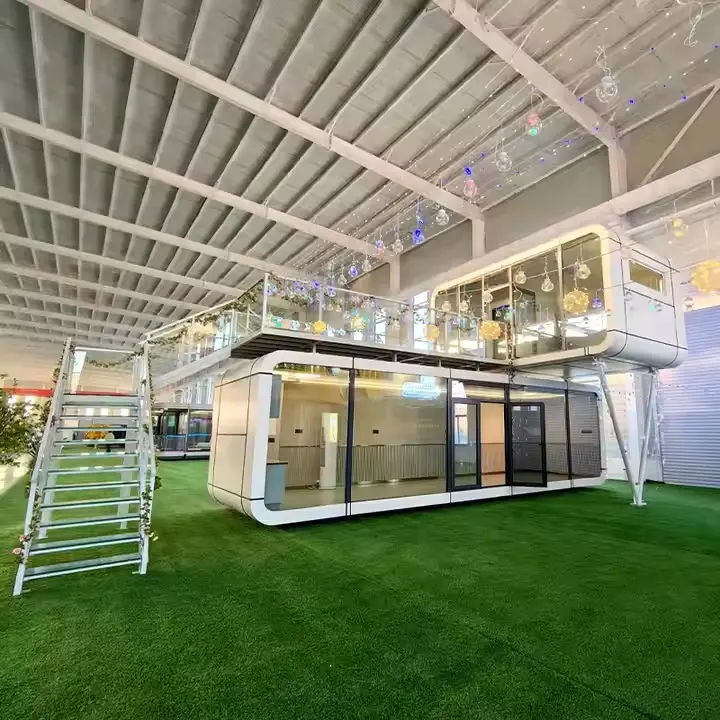
An Apple Cabin is typically a compact prefabricated or modular cabin solution designed with a modern, eye-catching exterior shape and a ready-to-install structure. Buyers are drawn to it for one simple reason: it combines visual appeal with practical deployment speed. In a market where people want spaces that are both functional and attractive, that combination matters.
Many buyers first notice the design. But design alone does not close a project. What makes the Apple Cabin a serious option is that it can reduce on-site construction complexity, shorten project cycles, and create a cleaner installation process compared with conventional small building projects. This matters whether you are opening a glamping unit, building a garden office, expanding a reception room, or adding a compact retail or service point.
For companies and project owners who need a professional supplier, working with an experienced manufacturer such as Weifang Ante Steel Structure Engineering Co., Ltd. can make a noticeable difference in product consistency, communication clarity, and delivery coordination. A cabin project often succeeds or fails based on details that are invisible in marketing images, so supplier capability matters as much as the cabin itself.
What Problems Does an Apple Cabin Actually Solve?
Buyers usually do not start by saying, “I want an Apple Cabin.” They start with a problem. They need a usable space quickly, they need predictable costs, or they need a structure that looks better than a basic temporary room. Below are the most common pain points and how an Apple Cabin helps address them.
Common buyer pain points:
- Long construction timelines that delay business opening or occupancy.
- Budget uncertainty caused by labor fluctuation and repeated on-site changes.
- Low visual appeal in standard prefab units that hurts customer perception.
- Poor thermal comfort in low-quality cabins, especially in hot summers or cold winters.
- Complex coordination between design, manufacturing, transport, and installation teams.
- Maintenance worries due to weak materials, water ingress risk, or difficult-to-replace parts.
A well-made Apple Cabin can reduce these problems by shifting much of the work into a controlled manufacturing process. This can improve dimensional consistency and lower the risk of repeated rework on site. For commercial users, a faster path to operation means you can begin generating revenue sooner. For private buyers, it means less disruption and less uncertainty.
Another overlooked advantage is user experience. If you are using the cabin for hospitality, rental, or customer-facing business, appearance affects trust. A polished structure helps visitors feel they are entering a deliberate, comfortable space rather than a temporary compromise. That first impression can directly affect reviews, repeat bookings, and willingness to pay.
What Should You Check Before You Buy?
This is where many buyers make a mistake: they compare only pictures, price, and size. A better approach is to compare performance, install readiness, and long-term serviceability. If you want your Apple Cabin to be useful for years, not just impressive on delivery day, ask deeper questions before confirming the order.
Use this practical checklist before purchasing:
-
Structure and frame quality
Ask what materials are used in the main frame and what corrosion protection is included. This affects durability and maintenance frequency. -
Wall and roof insulation performance
Confirm insulation composition and thickness, and ask how the cabin performs in your local climate. Comfort and operating cost depend on this. -
Waterproofing and sealing details
Ask about sealing methods around joints, doors, windows, and roof transitions. Water ingress is one of the most expensive problems to fix later. -
Electrical and plumbing preparation
Clarify what is included, what is optional, and what local contractors must complete on site. -
Transport dimensions and lifting requirements
Make sure access roads, site entrances, and crane arrangements match the cabin size and weight. -
Foundation requirements
Even a compact cabin needs proper support. Ask for recommended foundation types and load considerations. -
Interior layout flexibility
Check whether the plan can be adjusted for your use case, such as a bed area, office desk, washroom, or reception counter. -
After-sales support and spare parts
Reliable post-delivery support reduces downtime and protects your investment.
A buyer who asks these questions usually makes a better decision than a buyer who simply chooses the lowest quote. The right Apple Cabin should not only fit your budget at purchase; it should also reduce headaches during operation.
How Does It Compare with Traditional Small Building Projects?
The best choice depends on your timeline, budget control needs, and site conditions. The table below can help you evaluate whether an Apple Cabin fits your project priorities better than a traditional on-site build approach.
| Evaluation Factor | Apple Cabin | Traditional Small Building Project |
|---|---|---|
| Project Speed | Usually faster due to off-site production and reduced on-site work. | Often slower due to multi-step on-site construction and labor scheduling. |
| Cost Predictability | More predictable when scope is confirmed early. | Can fluctuate with labor, weather delays, and scope changes. |
| Design Appeal | Strong visual identity can improve customer perception for rentals and commercial use. | Depends on design budget and execution quality. |
| On-Site Disruption | Typically lower, with shorter installation window. | Higher due to longer construction activity. |
| Customization | Good, but within manufacturing and transport constraints. | Potentially broader, but usually slower and more expensive. |
| Quality Consistency | Can be more consistent with controlled factory production. | More dependent on on-site crew skill and project management quality. |
| Maintenance Risk | Lower if materials and sealing details are well specified. | Varies widely by workmanship and material choices. |
Tip: Do not compare only initial price. Compare total cost of ownership, including installation complexity, downtime risk, and expected maintenance.
Which Use Cases Fit Best?
A strong Apple Cabin solution can serve many roles, but it works best when the buyer has a clear operational goal. The more clearly you define how the space will be used, the easier it becomes to choose the right layout, finishes, and utility configuration.
Popular and practical applications include:
- Glamping and resort guest units for operators who need attractive cabins that support premium pricing.
- Backyard office or studio space for remote work, creative production, or small-team collaboration.
- Reception and sales cabins for project sites, scenic areas, or temporary commercial campaigns.
- Retail kiosks and service points where appearance and quick deployment matter.
- Exhibition or showcase cabins for displaying products in a compact branded environment.
- Private leisure space for gardens, farms, or vacation properties that need an extra room with a modern look.
If your goal is hospitality or commercial use, pay extra attention to comfort details. Customers notice ventilation, insulation, lighting layout, and sound control immediately. Even a beautiful Apple Cabin can underperform if comfort is ignored. On the other hand, a well-planned cabin can create an experience that feels far more premium than its footprint suggests.
How Can You Plan a Smoother Purchase and Installation Process?
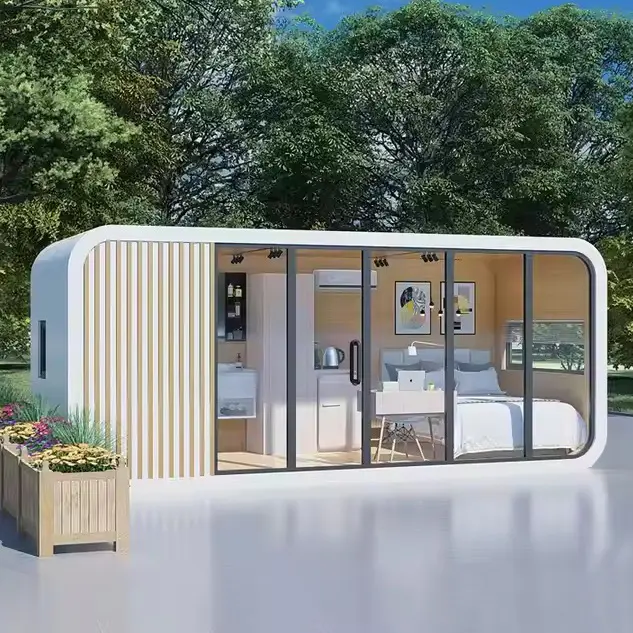
The easiest way to avoid delays is to treat your cabin project like a real project, not a simple product purchase. A buyer who prepares site conditions, confirms utility routes, and aligns delivery timing early will usually spend less and finish faster.
Recommended planning steps:
-
Define your primary use first
Decide whether the space is for living, rental, office, retail, or display. This affects layout, insulation level, and utility needs. -
Confirm site conditions
Check access width, ground conditions, local utility availability, and installation equipment access before finalizing cabin dimensions. -
Clarify inclusions and exclusions in writing
Confirm what the supplier provides and what local contractors must complete. This prevents scope gaps and surprise costs. -
Review drawings and layout carefully
Pay attention to door swing, window orientation, furniture clearance, and power outlet positions. Small details affect daily usability. -
Plan the installation window
Coordinate delivery, lifting, and utility connection teams in advance to avoid idle time and rescheduling fees. -
Prepare a maintenance routine
Regular inspection of sealants, drainage paths, and exterior finishes helps preserve appearance and performance.
A reliable manufacturer partnership can make this process much easier. If you are evaluating suppliers, ask for project communication workflow, delivery coordination support, and technical response speed. These factors are not always visible in product photos, but they strongly affect your real experience.
FAQ
Q1: Is an Apple Cabin only suitable for temporary use?
Not necessarily. Many buyers use an Apple Cabin for long-term residential support space, hospitality operations, or commercial activities. The key factor is build quality, site preparation, and proper maintenance.
Q2: Can an Apple Cabin be customized for different layouts?
Yes, in many cases. Layout options often vary by supplier and production constraints. It is best to confirm interior configuration, utility positions, and finish options before production starts.
Q3: What is the biggest mistake first-time buyers make?
The most common mistake is choosing based only on appearance and price. A better decision comes from comparing structure quality, insulation, waterproofing details, and installation readiness.
Q4: Is an Apple Cabin good for hospitality businesses like resorts or camps?
It can be an excellent fit when comfort and visual presentation are planned well. For hospitality use, focus on guest experience details such as thermal comfort, lighting, privacy, and easy maintenance.
Q5: How can I estimate the real project cost more accurately?
Ask for a full cost breakdown that includes cabin price, transport, foundation work, lifting, utility connection, and any local finishing work. This gives you a clearer total project budget.
Q6: How do I choose a reliable supplier for an Apple Cabin project?
Review communication quality, technical responsiveness, customization capability, manufacturing consistency, and after-sales support. A supplier that handles details clearly usually reduces project risk.
What Should You Do Next If You Are Ready to Compare Options?
If you are planning a cabin project and want a space that looks modern, installs efficiently, and supports real long-term use, now is the right time to start with a clear specification list and a trusted manufacturing partner.
Weifang Ante Steel Structure Engineering Co., Ltd. can help you evaluate practical configuration choices for your Apple Cabin project based on your site conditions and intended use. Whether you are building for hospitality, commercial expansion, or private property, a well-planned solution saves time, reduces risk, and improves the final user experience.
Tell us your application scenario, expected layout, and site requirements, and we can help you move from concept to a workable plan faster. Contact us today to discuss your project and get tailored recommendations for your next Apple Cabin.