Can an Expandable Container House Solve Your Space Problems Fast?
Article Abstract
An Expandable Container House is built for one core promise: practical space delivered quickly, without the chaos of traditional construction. But speed alone doesn’t fix real-world headaches—leaks after shipping, uncomfortable indoor temperatures, unclear site requirements, tricky utility connections, and uncertainty about durability or compliance.
In this guide, you’ll get a clear, buyer-friendly way to evaluate expandable units: how the structure expands, what makes a unit reliable over years (not weeks), what to check for insulation and weather sealing, how to plan your site and utilities, and how to estimate total cost beyond the purchase price. You’ll also find a comparison table, a pre-purchase checklist, and a detailed FAQ so you can move from “interested” to “confident” with minimal risk.
Contents
- Quick Outline
- Common Customer Pain Points and Practical Fixes
- How an Expandable Container House Expands and Stays Stable
- Picking the Right Size and Layout
- Comfort in Heat, Cold, Humidity, and Noise
- Safety and Real-World Compliance Considerations
- Site Preparation and Utility Connections
- Total Cost of Ownership and Budget Planning
- Customization That Matters and What’s Just Decoration
- Maintenance and Service Planning
- Buyer Checklist
- FAQ
Quick Outline
- What buyers usually regret and how to avoid it
- How expansion mechanisms, hinges, and seals impact long-term reliability
- What makes a unit comfortable in real climates
- How to plan site, foundation, delivery, and utilities without surprise costs
- How to compare options and ask the right supplier questions
Common Customer Pain Points and Practical Fixes
Pain Point 1 Delivery arrives but setup is slower than promised
Most delays come from site readiness, not the unit. Expandable units can be deployed quickly, but only if your access road, crane or forklift plan, leveling method, and utility routes are decided ahead of time.
- Fix Confirm delivery route width, turning radius, and ground bearing capacity.
- Fix Decide on leveling strategy (piers, pads, strip footing, or adjustable supports).
- Fix Pre-plan cable and pipe entry points to avoid last-minute drilling and patching.
Pain Point 2 Leaks at joints after transport
Expansion creates seams, and seams must be engineered, not “sealed later.” Water intrusion usually happens at roof transitions, corner flashing, and door or window edges when the sealing design is too basic.
- Fix Look for layered sealing at expansion joints, not a single strip.
- Fix Ask for details on roof drainage design and edge flashing.
- Fix Require photos or videos of a water-spray test on a fully expanded unit.
Pain Point 3 Indoor comfort is disappointing
A metal shell can feel like an oven or a refrigerator if insulation, thermal bridging, and ventilation are treated as optional. Comfort is achieved through the whole envelope: wall and roof insulation, window quality, air sealing, and mechanical ventilation choices.
- Fix Confirm insulation type and thickness for walls and roof.
- Fix Choose window and door specs that match your climate.
- Fix Plan ventilation and dehumidification if your region is humid.
Pain Point 4 Uncertainty about durability and service
A unit that looks good on day one can age badly if the steel treatment, paint system, and hinge hardware are low grade. Long-term value comes from corrosion protection, structural design, and supplier support.
This is where manufacturer capability matters. Weifang Ante Steel Structure Engineering Co., Ltd. builds expandable solutions with an engineering mindset, and a reliable supplier should be willing to share structural details, material specifications, and realistic maintenance guidance.
How an Expandable Container House Expands and Stays Stable
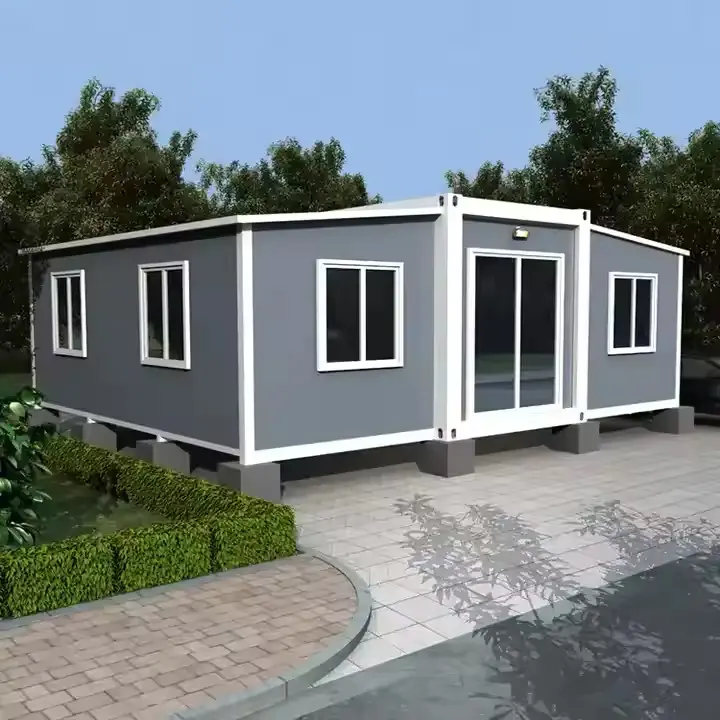
An expandable unit typically ships in a compact form to reduce transport cost. On-site, side sections unfold to create more usable floor area. The key is not only that it expands, but that it becomes rigid and weather-resistant once deployed.
What to look for in the expansion system
- Hinges and load paths Strong hinges are necessary, but the real question is how floor loads transfer after expansion.
- Locking and alignment A good unit aligns predictably and locks into position so doors close smoothly and floors feel solid.
- Sealing strategy Durable sealing uses multiple barriers at critical joints where wind-driven rain and dust tend to enter.
- Roof detailing Roof transitions and drainage control determine whether you fight leaks later.
A quick stability reality check
Stand inside an expanded unit and pay attention to floor bounce, door alignment, and the feel near expansion edges. If the floor feels “springy” or doors scrape, the structure may be relying too much on finishing materials instead of engineered framing.
Picking the Right Size and Layout
The right layout is less about maximum square meters and more about how the space works for daily life or business flow. Consider your occupancy, privacy needs, storage, and utility routes.
Use-case driven layout guidance
- Worker accommodation Prioritize ventilation, sound control, and durable flooring. Add storage and easy-clean bathroom finishes.
- Site office Focus on daylight, cabling pathways, and climate control. Plan for desks, meeting corner, and equipment storage.
- Retail or reception Choose a layout that supports customer movement. Doors, windows, and lighting matter more than extra partitions.
- Emergency housing Speed matters, but so do reliability and ease of maintenance. Keep finishes practical and serviceable.
Planning tip that saves money
Decide early where your “wet areas” will go. Bathrooms and kitchens are the most expensive zones to relocate later because they drive plumbing, drainage, and waterproofing choices.
Comfort in Heat, Cold, Humidity, and Noise
Comfort is a system. If you only upgrade insulation but ignore air sealing, humidity management, or window quality, you’ll still feel uncomfortable and your energy cost will rise.
Comfort checklist
- Insulation Confirm wall and roof insulation design, and whether thermal bridges are addressed at framing members.
- Windows and doors Better seals reduce drafts, dust, and noise. This is especially important near roads or worksites.
- Ventilation Ventilation prevents stale air, condensation, and odors, particularly in compact living spaces.
- Moisture control In humid climates, plan dehumidification or adequate mechanical cooling to prevent mold and peeling finishes.
Noise control basics
Noise complaints usually come from thin partitions, hollow doors, and hard surfaces. If the unit will be used for sleeping or focused work, consider upgraded door seals, acoustic insulation for partitions, and flooring underlayment.
Safety and Real-World Compliance Considerations
Rules vary by region, but you can still reduce risk by building a “compliance-friendly” plan. Think about fire safety, electrical safety, structural loading, and evacuation pathways.
Practical safety items to confirm
- Electrical system Proper distribution box, grounding approach, and cable protection. Ask for clear circuit labeling.
- Fire considerations Confirm interior finishes are suitable for intended occupancy and that escape routes are sensible.
- Structural loading If your site sees high wind or heavy snow, the structural design and anchoring method must match.
- Ventilation in wet rooms Bathrooms and kitchens need exhaust planning to reduce moisture buildup and odors.
Anchoring matters more than most people expect
Even a solid unit can perform poorly if it’s placed on uneven ground or not secured for local wind conditions. A simple anchoring strategy and a level base often prevent the most common “mystery problems” like door misalignment and joint gaps.
Site Preparation and Utility Connections
Site planning is where budgets go off-track. The unit may be predictable, but the site is not. Treat these items as part of your purchase decision, not an afterthought.
Site preparation essentials
- Access Confirm whether delivery needs a crane, forklift, or both.
- Base Choose a base method that matches soil conditions and expected use duration.
- Drainage Plan water runoff so rain doesn’t pool around the unit.
- Utility routing Identify entry points for power, water, and drainage before installation day.
Utilities overview
- Power Grid connection, generator integration, or hybrid solutions should be planned with realistic load estimates.
- Water Municipal connection, water tank, or well supply each changes pump and filtration needs.
- Drainage Sewer tie-in or septic planning impacts bathroom location and slope requirements.
- Internet For office use, plan for conduit, router placement, and signal stability.
Total Cost of Ownership and Budget Planning
A buyer mistake is comparing only the purchase price. A more accurate approach considers delivery, site work, utility connections, and operating cost over time.
| Cost Category | What It Includes | How to Reduce Surprises |
|---|---|---|
| Unit price | Structure, interior finish level, windows, doors, basic electrical and plumbing scope | Request a detailed item list showing what is included and what is optional |
| Shipping | Transport, loading and unloading, route permits if needed | Confirm shipping method and unloading plan before ordering |
| Site works | Base or foundation, leveling, drainage preparation | Get a simple site sketch and confirm ground conditions early |
| Utilities | Power, water supply, drainage, internet | Decide connection points and routing before delivery day |
| Operation | Cooling or heating, dehumidification, routine maintenance | Choose insulation and sealing appropriate for your climate |
Budget rule that works
If the unit is for long-term use, prioritize build quality and comfort first. If it’s short-term, focus on reliability and fast deployment, and keep finishes practical. Either way, plan a realistic line item for site work and utility connections.
Customization That Matters and What’s Just Decoration
Customization is valuable when it improves usability, durability, or comfort. It’s less valuable when it only looks good in photos but complicates maintenance later.
High-impact upgrades
- Better insulation and improved weather sealing
- Upgraded windows and exterior doors for air tightness and durability
- Flooring and wall finishes designed for your use case
- Electrical capacity planning for office equipment or HVAC loads
- Bathroom waterproofing and ventilation improvements
Nice-to-have items
- Decorative wall panels that are hard to replace
- Complex lighting designs that complicate repairs
- Over-partitioning that reduces airflow and makes space feel smaller
Maintenance and Service Planning
Expandable units are not fragile, but they do benefit from basic care. A small amount of routine attention prevents the most common issues and preserves appearance.
Simple maintenance checklist
- Inspect sealing strips and flashing after major storms
- Keep roof drainage paths clear
- Check hinges and locking points during scheduled inspections
- Monitor interior humidity in wet seasons and adjust ventilation
- Touch up exposed metal surfaces if scratches appear
A dependable supplier should provide a practical service guide and responsive support. If your project involves multiple units or long-term deployment, working with an experienced manufacturer like Weifang Ante Steel Structure Engineering Co., Ltd. can simplify standardization, spare parts planning, and long-term upkeep.
Buyer Checklist
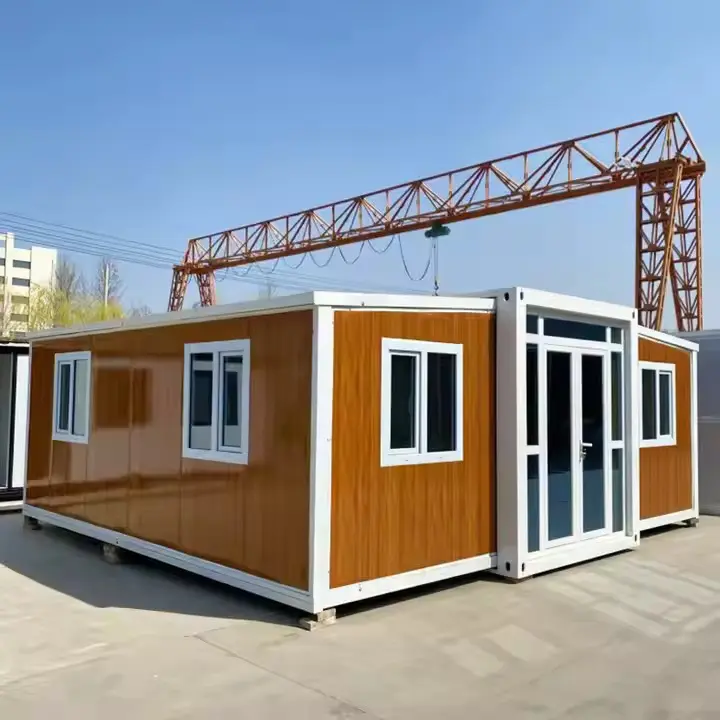
- Use case Accommodation, office, retail, emergency housing, or mixed use
- Climate Hot and humid, cold, coastal, dusty, high wind, or heavy rain
- Comfort targets Insulation, ventilation, noise control, window quality
- Site plan Access route, base type, drainage, utility entry points
- Reliability proof Photos or videos of expansion, locking, sealing, and water-spray testing
- Scope clarity What is included versus optional upgrades
- Service support Warranty scope, spare parts availability, response process
FAQ
What is an Expandable Container House best used for?
It’s ideal when you need usable indoor space quickly with predictable quality, especially for accommodation, offices, clinics, sales centers, and temporary facilities where traditional construction is too slow or too disruptive.
How long does installation usually take once the unit arrives?
If the site is ready and utilities are planned, deployment can be fast. The biggest variable is not the unit itself, but whether the base is level, unloading equipment is ready, and connections are pre-arranged.
Will it handle heavy rain and strong wind?
A well-built unit can perform reliably, but performance depends on joint sealing design, roof detailing, and anchoring method matched to local conditions. Always plan anchoring and drainage instead of relying on weight alone.
Does it feel cramped compared to a traditional container unit?
Expandable designs are chosen specifically to increase usable floor area after deployment. Layout and partition choices matter, so plan circulation space and avoid over-partitioning if you want an open feel.
Is insulation really necessary in warm climates?
Yes. In hot climates, insulation helps reduce heat gain and keeps cooling costs under control. It also improves comfort by stabilizing indoor temperatures and reducing surface condensation in humid seasons.
Can I connect it to normal water and electricity systems?
In most cases, yes. The key is planning connection points, load requirements, and routing. A clear utility plan prevents on-site improvisation that can cause leaks, tripping hazards, or unreliable power.
What should I ask a supplier before ordering?
Ask for a detailed inclusion list, structural and sealing approach, expansion mechanism details, testing evidence, warranty scope, and practical guidance for your climate and site conditions.
Closing Thoughts
A smart purchase is not just getting a unit that expands—it’s getting a unit that stays tight, comfortable, and dependable after shipping, after storms, and after months of daily use. If you want an expandable solution that fits your climate, layout needs, and deployment schedule, Weifang Ante Steel Structure Engineering Co., Ltd. can help you plan the right configuration and avoid common cost traps.
Ready to move from ideas to a workable plan? Tell us your site location, intended use, and target layout, and we’ll recommend a practical configuration and delivery approach—contact us to get a tailored solution and a clear quotation.