Why Is a Capsule House the Smartest Shortcut to Move-In-Ready Space?
Abstract
A Capsule House looks simple on the outside, but it solves a surprisingly complicated problem: creating durable, comfortable, code-aware living or working space fast—without letting cost overruns, site delays, or quality surprises ruin the plan. In this guide, I’ll break down what a Capsule House is, what buyers commonly worry about (and how to avoid those traps), what to check before you place an order, and how to compare options like insulation, structure, utilities, and shipping. You’ll also get a practical checklist, a cost-driver table, and an FAQ to help you make a confident decision.
Table of Contents
- Outline
- What a Capsule House Actually Is
- Who Uses Capsule Houses and Why
- Common Pain Points (and How to Avoid Them)
- Pre-Purchase Checklist That Prevents Expensive Mistakes
- Comfort, Durability, and All-Season Performance
- Utilities, Bathrooms, and Daily Living Details
- Shipping, Lifting, and On-Site Installation
- Budget Planning: What Really Drives the Price
- Quality Control and Documentation That Matter
- How Weifang Ante Steel Structure Engineering Co., Ltd. Helps Buyers Reduce Risk
- FAQ
Outline
- Define the Capsule House and what makes it different from typical prefab
- Match real use-cases to the right configuration
- Expose the biggest hidden risks: permits, utilities, insulation, transport, after-sales
- Provide a practical buyer checklist and a cost-driver comparison table
- Offer straightforward guidance for quality verification and long-term maintenance
What a Capsule House Actually Is
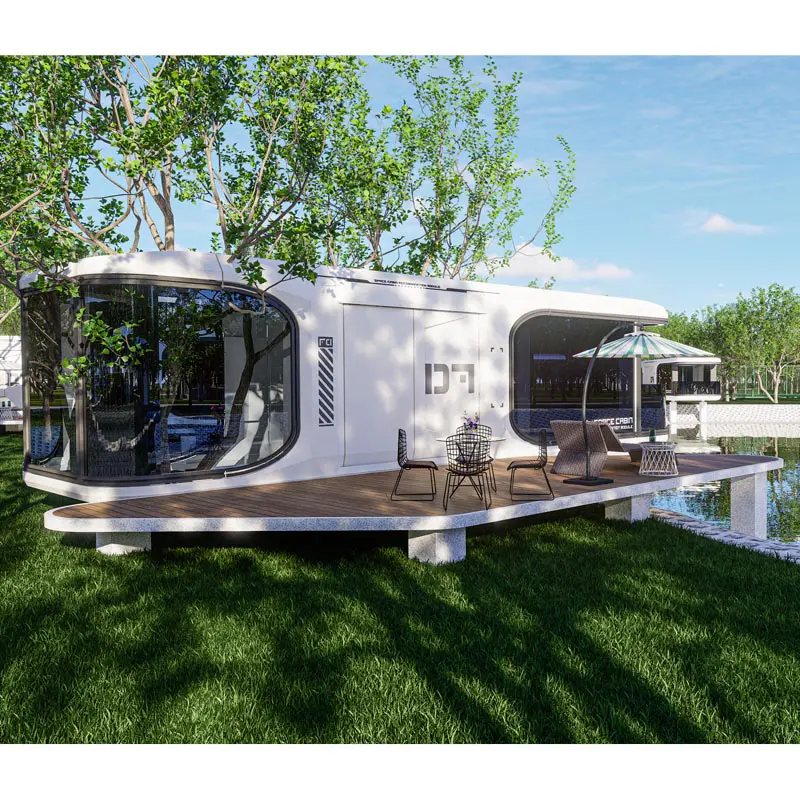
A Capsule House is a factory-built, compact modular unit designed to arrive on site close to “move-in ready.” Compared with traditional site-built construction, the big advantage is control: manufacturing happens in a predictable environment where structural work, insulation layers, waterproofing, doors/windows, electrical pre-wiring, and interior finishing can be standardized and tested before shipment.
Think of it as a product, not a project. Instead of coordinating multiple trades across weeks or months, you focus on a few decisive steps: confirm the layout and specs, prepare the site, connect utilities, and complete final placement. For buyers who are tired of schedule slips and unpredictable labor costs, this is the core appeal.
What makes a Capsule House different from a basic container?
- Purpose-built comfort: Better thermal design, ventilation planning, and interior finishing options.
- Integrated systems: Plumbing, electric, lighting, bathroom components, and fixtures can be pre-installed.
- Design flexibility: Options for glazing, façade finishes, and furniture packages without turning the build into chaos.
- Repeatability: A manufacturer can deliver consistent results across multiple units—ideal for scaling.
Who Uses Capsule Houses and Why
Most Capsule House buyers aren’t chasing novelty—they’re solving a time-and-risk problem. These units are commonly used for:
- Hospitality and short-stay lodging: glamping sites, eco-resorts, private cabins, and boutique rentals.
- Workforce housing: remote projects, temporary camps, or fast deployment housing needs.
- Site offices and meeting pods: clean, professional space where a basic container feels too industrial.
- Retail pop-ups: cafés, ticket booths, and mobile showrooms that need good looks and quick setup.
- Backyard studios: home offices, creative studios, guest rooms, or quiet spaces.
The throughline is speed, predictability, and a clean final result—without the buyer becoming a full-time construction manager.
Common Pain Points (and How to Avoid Them)
If you’ve heard “prefab horror stories,” they usually come from mismatched expectations. A Capsule House can be a smooth purchase—but only if you address these pain points early.
1) Permit uncertainty and local compliance
Many buyers order first and ask permission later. That’s backwards. Local rules can affect setbacks, foundation type, anchoring, electrical requirements, egress, smoke alarms, and even exterior materials. The fix is simple: confirm your local requirements and share them with the supplier before final drawings.
2) Comfort gaps (hot in summer, cold in winter, or “stuffy” indoors)
Comfort is not just “thicker insulation.” It’s the combination of insulation continuity, window performance, air sealing, ventilation strategy, and thermal-bridge control. Ask for a clear specification of wall/roof insulation approach and ventilation equipment options. If you plan all-season use, treat comfort as a primary feature—not a bonus.
3) Utility surprises on delivery day
A Capsule House can arrive with pre-installed plumbing and electrical, but it still needs correct on-site connections. Problems happen when the site has different voltage standards, pipe sizing, water pressure, drainage slope, or septic constraints. Align site conditions with the unit’s interface points (inlets/outlets, cable entry, breaker panel needs) before production begins.
4) Shipping damage and lifting complications
Large glazed surfaces, finished interiors, and integrated bathrooms mean you can’t treat it like a rugged cargo box. Packaging, corner protection, moisture control during transit, and a clear lifting plan matter. Always confirm: lifting points, center of gravity guidance, crane requirements, and recommended unloading steps.
5) “Looks good in photos” but feels cheap in person
Finishes can hide weak details—like poor sealing, uneven flooring, or noisy doors. Ask for clear material descriptions (not vague labels), and request a consistent quality checklist: sealing, alignment, waterproof test approach, and electrical safety checks.
Pre-Purchase Checklist That Prevents Expensive Mistakes
- Use-case clarity: Is it seasonal, three-season, or true four-season use?
- Site plan: Access road width, turning radius, ground bearing capacity, and crane setup space.
- Foundation decision: Concrete slab, piers, steel supports, or adjustable footings (based on soil and code).
- Utility map: Power supply type, water source, drainage method (septic/city), and internet plan.
- Interior priorities: Bathroom type, storage needs, bed configuration, kitchen expectations.
- Climate requirements: Insulation approach, window/door sealing, HVAC capacity, ventilation plan.
- Safety basics: Egress expectations, smoke/CO alarms where applicable, electrical protection requirements.
- Documentation: Drawings, wiring diagram, plumbing layout, and a clear bill of materials or spec sheet.
- After-sales clarity: Spare parts list, warranty scope, and response time expectations.
Comfort, Durability, and All-Season Performance
A Capsule House should feel like a real room, not a “temporary box.” If comfort is your priority, focus on these factors:
Thermal design that’s more than insulation
- Continuous insulation: fewer gaps and minimized thermal bridges can matter as much as thickness.
- Window strategy: glazing area is beautiful, but it must be balanced with heat gain/loss control.
- Air sealing: drafts make a small space feel much worse than it is.
Weather resistance
- Roof waterproofing details: especially around joints, penetrations, and edge trims.
- Exterior material suitability: salt air, heavy rain, snow load considerations, and UV exposure.
- Corrosion control: coatings, galvanization strategy (if applicable), and hardware quality.
Noise and privacy
- Door and window sealing: helps with noise and thermal comfort at once.
- Wall/floor build-up: the right layer structure reduces hollow echoes and vibration.
Utilities, Bathrooms, and Daily Living Details
The “daily living” experience is where a Capsule House either wins your heart—or drives you crazy. Pay attention to:
Bathroom reality check
- Waterproofing approach: wet areas must be treated as systems, not just tiled surfaces.
- Drainage design: small mistakes here become constant maintenance.
- Ventilation: humidity control matters more in compact spaces.
Electrical and lighting
- Power standard alignment: confirm voltage/frequency compatibility with your site supply.
- Practical outlets: bedside, desk area, kitchen zone, and HVAC needs.
- Lighting layers: ambient + task lighting makes small interiors feel larger and more premium.
Interior usability
- Storage planning: shelves, cabinets, and under-bed storage change the lived experience.
- Furniture layout: a clever layout prevents the “everything is in the way” feeling.
- Easy-clean surfaces: hospitality use demands durability and quick turnover.
Shipping, Lifting, and On-Site Installation
Logistics is where timelines survive—or die. A good Capsule House plan includes:
- Transport constraints: route clearance, local road limits, and delivery scheduling.
- Packaging and protection: especially for glass, corners, and interior finished surfaces.
- Crane and rigging plan: lifting points, recommended sling angles, and safe placement steps.
- On-site finishing scope: define what’s included (and what’s not): leveling, anchoring, sealing joints, utility hook-up.
If you’re deploying multiple units, repeatability becomes a major advantage. Standardized foundations, predictable connections, and consistent placement procedures can reduce your per-unit installation cost over time.
Budget Planning: What Really Drives the Price
Capsule Houses can vary widely in pricing because “capsule” describes a concept, not a single specification. The table below shows typical cost drivers and what they change in real life.
| Cost Driver | What You’re Choosing | What It Impacts | Buyer Tip |
|---|---|---|---|
| Structure & frame | Heavier-duty frame vs. lighter configuration | Durability, transport safety, long-term stability | Prioritize structural robustness for frequent moves or harsh sites |
| Insulation & sealing | Higher-performance wall/roof build-up | Comfort, energy use, condensation risk | Match specs to climate; don’t overpay for conditions you don’t face |
| Windows & façade | More glazing, upgraded seals, premium finishes | Appearance, comfort, maintenance | Glass is gorgeous—just confirm performance and protection during shipping |
| Bathroom package | Basic vs. premium fixtures, waterproof system complexity | User satisfaction, service calls, longevity | Hospitality use benefits from durable, easy-to-service fixtures |
| Electrical & smart features | Panel capacity, lighting, controls | Convenience, safety, expandability | Plan for future loads (HVAC, hot water, cooking, EV tools) |
| HVAC & ventilation | Cooling/heating size, fresh-air options | Comfort, humidity control, guest reviews | Don’t skip ventilation—small spaces need it more |
Quality Control and Documentation That Matter
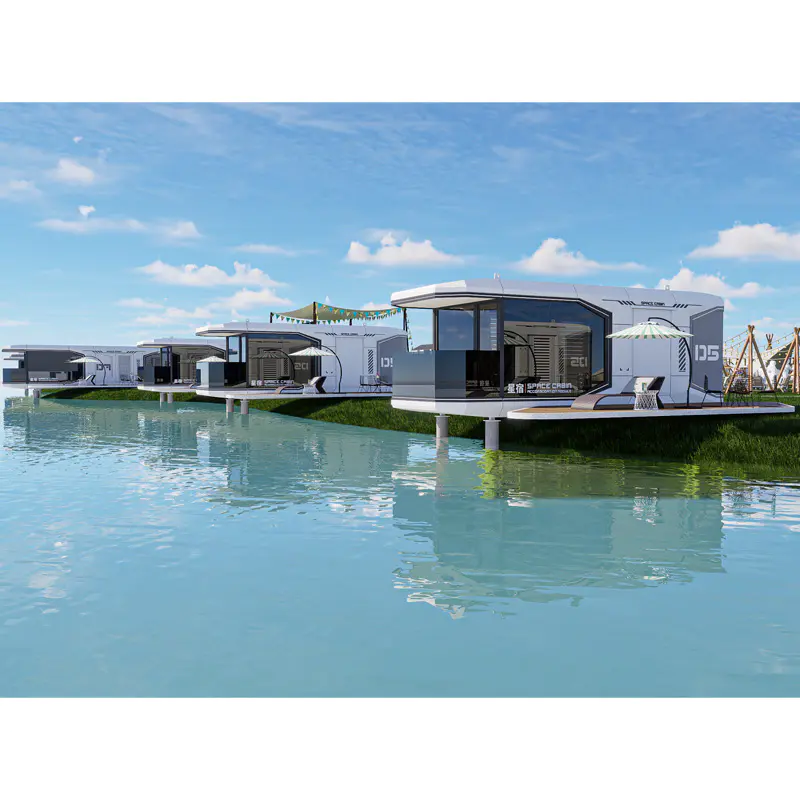
If you want predictable outcomes, don’t rely on photos alone. Ask for clear documentation and a consistent inspection process.
- Drawings and layout confirmation: final floor plan, window/door positions, and furniture arrangement.
- Electrical diagram: breaker layout, wire routing logic, and safety device expectations.
- Plumbing diagram: supply and drainage interfaces, venting approach (where applicable).
- Factory checklist: sealing checks, door/window alignment, water test approach for wet areas.
- Packaging checklist: corner protection, moisture prevention, and glass safeguarding.
The goal is not to drown in paperwork—it’s to prevent ambiguity. Ambiguity is where delays, disputes, and expensive on-site fixes live.
How Weifang Ante Steel Structure Engineering Co., Ltd. Helps Buyers Reduce Risk
When you invest in a Capsule House, you’re not just buying a unit—you’re buying reliability across design, manufacturing, and delivery. Weifang Ante Steel Structure Engineering Co., Ltd. supports buyers who want a clearer path from concept to installation by aligning specifications with real-world constraints: climate needs, intended use (hospitality, workforce, office, personal), and logistics planning.
A smoother purchase typically comes from:
- Transparent configuration choices: so buyers can balance comfort, durability, and budget without guesswork.
- Manufacturing consistency: especially important when ordering multiple units and scaling a site.
- Practical delivery planning: supporting lifting, transport protection, and on-site connection readiness.
If your biggest fear is “I’ll receive something that looks fine but performs poorly,” the solution is disciplined specification and verification—before production begins.
FAQ
What is the biggest mistake people make when buying a Capsule House?
Treating it as a simple product order without aligning site conditions and local requirements first. Site access, foundation choice, and utility compatibility should be decided early—before the final specification is locked.
Can a Capsule House be used year-round?
Yes, if it’s configured for your climate. All-season performance depends on insulation continuity, window/door sealing quality, ventilation strategy, and HVAC sizing. Define your climate scenario up front and match the specification accordingly.
How long does installation usually take?
If the site is prepared and utilities are ready, placement can be fast. The true timeline is driven by preparation: foundation work, permitting, utility routing, and delivery logistics planning.
Do I need a crane to place it?
Often, yes—especially for fully finished units. The exact requirement depends on unit size, weight, site access, and placement location. Confirm lifting points and rigging guidance in advance.
How do I compare different Capsule House quotes fairly?
Compare based on what affects daily life and long-term value: structure, insulation/sealing approach, window performance, bathroom system quality, electrical capacity, HVAC/ventilation, and packaging/shipping protection. A low price can hide missing essentials that become expensive later.
What should I request before I pay a deposit?
A final layout confirmation, a clear specification list, utility interface details, a production schedule, and a defined after-sales scope. If anything feels vague, make it specific in writing before moving forward.
If you’re planning a Capsule House project and want a configuration that matches your climate, use-case, and site constraints, contact us at Weifang Ante Steel Structure Engineering Co., Ltd. to discuss options, drawings, and a practical delivery plan.