Why Is an Apple Cabin the Smartest Shortcut to a Ready-to-Use Space?
Article Abstract
Buying an Apple Cabin sounds simple until you hit the real-world headaches: unclear site prep, surprise utility costs, uncomfortable indoor temperatures, inconsistent workmanship, and delivery/installation uncertainty. This guide breaks the purchase into clear decisions you can control—so you don’t end up with a pretty shell that’s hard to live in, hard to maintain, or impossible to install on your land. You’ll get a step-by-step outline, comparison table, practical checklists, and a buyer-friendly FAQ.
Table of Contents
- Outline at a Glance
- The common pain points buyers run into
- What an Apple Cabin is and who it fits
- Choosing specs without overpaying
- Site planning and permits
- Comfort essentials: insulation, glass, airflow, moisture
- Delivery, lifting, and installation workflow
- Layout and customization that actually matters
- Supplier comparison checklist
- Lifecycle cost and maintenance reality
- FAQ
- Next step
Outline at a Glance
- Define the use case: guest room, glamping unit, office, pop-up retail, staff housing, or storage.
- Check your site constraints: access road, crane reach, ground bearing, drainage, and local rules.
- Lock comfort specs first: insulation, window performance, ventilation, and moisture control.
- Choose the interior package: electrical, plumbing, bathroom, kitchen, lighting, and finishes.
- Confirm delivery + installation plan: who supplies the crane, who connects utilities, and what’s included.
- Verify quality: structural details, sealing, wiring standards, and pre-shipment inspection.
- Plan maintenance: exterior care, seal checks, filter cleaning, and hardware tightening.
The Common Pain Points Buyers Run Into
Most people don’t regret buying an Apple Cabin; they regret buying one without a plan. Here are the pain points that cause the “I thought it was turnkey” moment:
- “It looked spacious online, but feels tight in real life.” Layout and storage planning were skipped.
- “The cabin arrived, but we couldn’t place it.” No crane path, no turning radius, or weak ground conditions.
- “It’s too hot in summer / too cold in winter.” Insulation and glazing specs were chosen by price, not climate.
- “Moisture and smell showed up.” Poor ventilation strategy and weak sealing around doors/windows.
- “Utilities cost more than expected.” Water, septic, power upgrades, and site trenching weren’t budgeted.
- “After-sales support is slow.” No clear warranty scope, no spare parts plan, no documentation package.
The good news: every one of these is preventable if you decide the right things in the right order.
What an Apple Cabin Is and Who It Fits
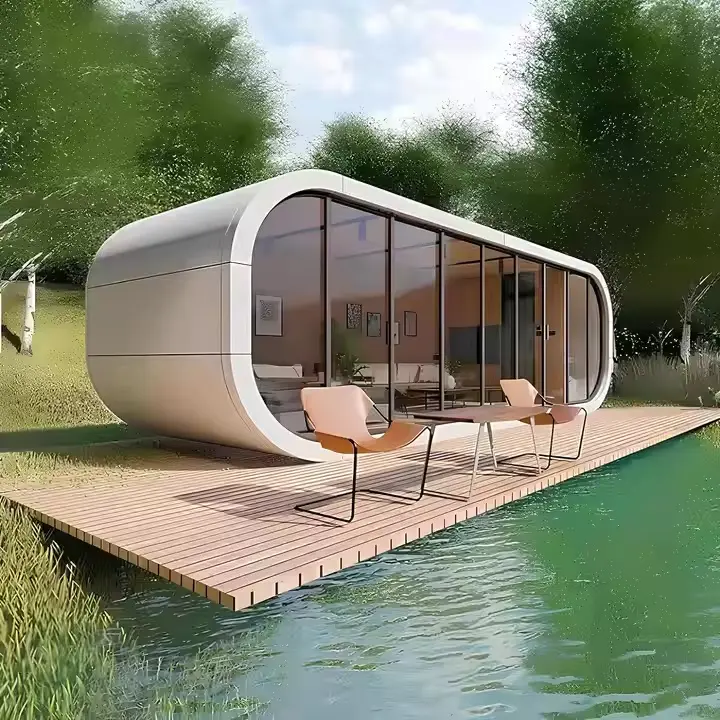
An Apple Cabin is typically a compact modular cabin built for quick deployment, with a distinctive rounded, “capsule-like” profile that’s designed to look modern while making transportation and installation more efficient than a traditional build. The appeal isn’t just appearance—it’s the ability to create a usable space quickly with predictable scope.
Best-fit scenarios usually include:
- Hospitality: glamping rooms, scenic lodging, boutique guest suites.
- Commercial: pop-up shops, café kiosks, brand experience booths, ticket offices.
- Work: backyard studios, site offices, meeting pods, hybrid-work extensions.
- Support space: security rooms, storage units, temporary accommodation.
If your goal is a large family home, you may need multiple modules or a different building system. But if you need a high-impact, efficient space that can be installed fast, an Apple Cabin is often a strong match.
Choosing Specs Without Overpaying
Buyers often overspend on “nice-to-have” features while underfunding the essentials. The smartest approach is to prioritize performance first, then aesthetics.
| Decision Area | What to Prioritize | What People Overspend On | Buyer Tip |
|---|---|---|---|
| Thermal performance | Insulation thickness, thermal breaks, airtight sealing | Luxury decor before comfort | Ask for climate-appropriate insulation and clear sealing details. |
| Windows & doors | Tempered glass, good gaskets, secure locks | Oversized glass with weak specs | Bigger glass needs better performance, not just bigger panels. |
| Bathroom package | Waterproofing layers, ventilation, easy maintenance | Fancy fixtures with poor waterproofing | A reliable waterproof system beats a designer faucet every time. |
| Electrical | Safe distribution, clear labeling, protection devices | Too many decorative lights | Make sure wiring is tidy, documented, and built for your voltage standard. |
| Interior layout | Storage, circulation, bed orientation, usable kitchen space | Overbuilt feature walls | Request a layout plan that shows real furniture sizes. |
If you’re comparing multiple suppliers, ask each one to quote the same “performance baseline” so you can compare fairly.
Site Planning and Permits
An Apple Cabin is not “site-free.” The cabin may arrive ready, but your land must be ready too. Before you pay a deposit, confirm these points:
- Access route: road width, turning space, overhead wires/trees, and gate clearance.
- Placement zone: crane reach, stable ground, and safe distance from slopes or soft soil.
- Foundation strategy: simple piers, a slab, or adjustable supports depending on terrain and local expectations.
- Drainage: plan where rainwater flows so it doesn’t pool under the cabin.
- Utilities: power capacity, water source, wastewater solution, and internet options.
- Local rules: placement duration, setbacks, fire safety, and whether it’s classed as temporary or permanent.
Even if you’re not required to pull a full building permit, it’s still smart to follow safe spacing, solid supports, and proper electrical work. That’s how you protect your investment and avoid future resale problems.
Comfort Essentials: Insulation, Glass, Airflow, Moisture
Comfort is where good cabins separate from “pretty boxes.” If your Apple Cabin is used for sleeping, working, or hospitality, these are the non-negotiables:
- Insulation that matches your climate: not just “some insulation,” but the right thickness and continuity in walls, roof, and floor.
- Quality sealing: tight door/window gaskets and careful joint sealing to reduce drafts and dust.
- Ventilation strategy: bathroom exhaust plus fresh-air exchange to prevent odors and condensation.
- Moisture control: waterproofing around wet areas and good detailing at edges/corners.
- Sound considerations: if used as a studio or rental, ask about noise reduction options.
A practical rule: if you plan to market the cabin as a premium stay, your comfort specs must be premium even if your decor stays simple. Guests forgive minimalism; they don’t forgive poor sleep.
Delivery, Lifting, and Installation Workflow
Installation is where timelines can break—so treat it like a small project, not a “delivery.” A clean workflow typically looks like this:
- Pre-delivery check: confirm access route, placement points, and a dry, stable base.
- Arrival coordination: confirm unloading time window and who is responsible for site safety.
- Lifting/positioning: hoist into place, verify level, and secure supports.
- External connections: connect power, water, and wastewater (by qualified local technicians).
- Commissioning: test lights, outlets, water pressure, drainage, ventilation, and door/window operation.
- Handover: receive documentation, warranty terms, and maintenance instructions.
If any supplier can’t clearly define who does what, that’s a red flag. You want certainty, not improvisation.
Layout and Customization That Actually Matters
Customization is valuable when it improves usability. It’s a trap when it adds complexity without solving a real need. These upgrades usually pay off for most buyers:
- Smarter storage: under-bed compartments, wall cabinets, and a place for luggage or cleaning supplies.
- Bathroom practicality: durable waterproof finishes, easy-to-clean surfaces, strong ventilation.
- Lighting layers: bright task lighting plus softer ambient light for comfort.
- Kitchen efficiency: enough counter space, safe wiring for appliances, and ventilation if you cook.
- Climate control readiness: properly planned spots for heating/cooling units and drainage.
When working with experienced manufacturers like Weifang Ante Steel Structure Engineering Co., Ltd., ask for a “function-first” interior proposal: a layout that shows how people actually move, store items, shower, and sleep. That’s how your Apple Cabin becomes a space people enjoy using—not just photographing.
Supplier Comparison Checklist
If you’re choosing between quotes, use this checklist to avoid hidden compromises. A reliable supplier should be comfortable answering these clearly:
- Structure: What is the frame system, and how is corrosion resistance handled?
- Wall/roof build-up: What layers are used for insulation, waterproofing, and exterior durability?
- Windows/doors: What glass type and sealing method are used?
- Electrical: Is the system labeled and protected, and can it match your local voltage/standards?
- Bathroom: How is waterproofing executed and tested?
- Quality control: Is there a pre-shipment inspection and photo/video confirmation?
- Documentation: Will you receive drawings, wiring diagrams, and a maintenance guide?
- Warranty: What’s covered, what’s excluded, and how are parts handled?
A great price is only great if the cabin performs well after the first winter, the first rainy season, and the first year of real use.
Lifecycle Cost and Maintenance Reality
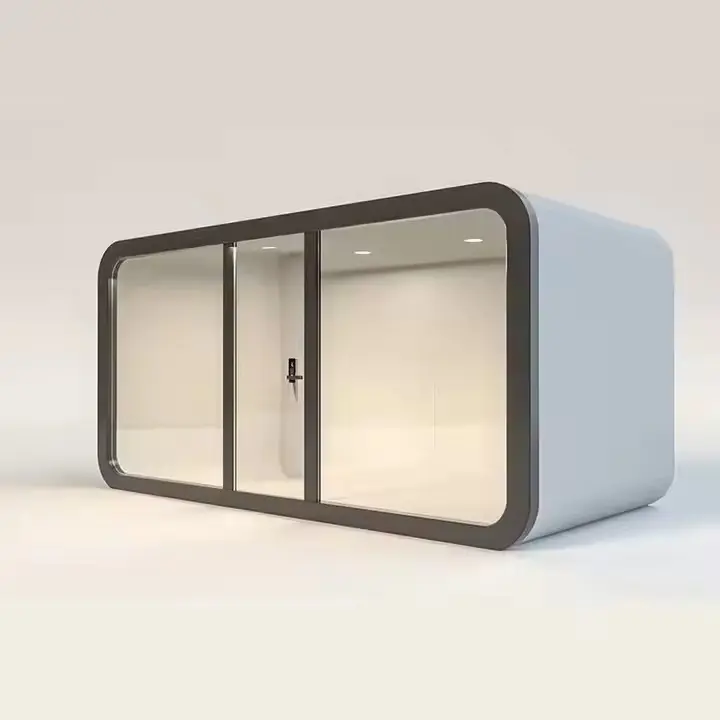
Buyers who plan maintenance upfront enjoy fewer surprises and longer service life. Here’s a simple way to think about ongoing care for an Apple Cabin:
| Maintenance Item | Frequency | What to Look For | Why It Matters |
|---|---|---|---|
| Seal inspection | Every 3–6 months | Cracks, gaps, loose trim | Prevents drafts, leaks, and moisture damage. |
| Bathroom ventilation | Monthly | Fan performance, odors, condensation | Reduces mold risk and keeps air fresh. |
| Hardware tightening | Every 6–12 months | Door hinges, locks, fasteners | Movement during transport and temperature changes can loosen parts. |
| Exterior cleaning | Seasonal | Stains, buildup, drainage paths | Keeps the cabin looking new and protects finishes. |
| Electrical check | Annually | Loose connections, tripping issues | Safety and reliability, especially for rentals or high usage. |
If your cabin is used for hospitality, treat it like a small hotel room: cleanliness, airflow, and quick fixes are part of keeping your reviews strong.
FAQ
Q: Is an Apple Cabin suitable for year-round use?
A: It can be, if you choose the right insulation, window performance, and heating/cooling plan for your climate. Year-round comfort is mostly a “spec decision,” not a “shape decision.”
Q: What should I prepare on the site before delivery?
A: Confirm access, prepare a stable and level base, plan drainage, and coordinate utility connection. If a crane is required, confirm the lifting area and safe working space in advance.
Q: How do I avoid moisture problems inside the cabin?
A: Prioritize tight sealing, dependable bathroom waterproofing, and a real ventilation plan (not just “open the window”). Moisture issues are usually caused by weak airflow and poor detailing in wet zones.
Q: What customization is most worth paying for?
A: Storage, bathroom practicality, ventilation, and a layout that fits your real furniture needs. Decorative upgrades are optional; functional upgrades protect comfort and usability.
Q: What documents should I request from the supplier?
A: A basic drawing set, an electrical layout, a packing list, commissioning steps, and a maintenance guide. Clear documentation makes installation smoother and after-sales support faster.
Next Step
If you want an Apple Cabin that installs smoothly, stays comfortable, and holds up over time, treat the purchase like a simple project: define the use case, lock performance specs, confirm the site plan, and choose a supplier who documents everything clearly.
Ready to discuss a layout, options, and a delivery plan that fits your site? Contact us and tell us where the cabin will be used, your climate, and your target timeline—we’ll help you turn the idea into a space you can actually enjoy.