Why Choose an Expandable Container House?
Article Summary
An Expandable Container House is designed for people who need real, usable space fast—without the headaches of long construction timelines, unpredictable labor costs, or complicated logistics. This in-depth guide breaks down what it is, how it works, what problems it solves, and what to check before you buy. You’ll also find practical comparison tables, a buyer’s checklist, and clear answers to common questions—so you can choose confidently, avoid surprises, and get a solution that performs well for years.
Table of Contents
- What Is an Expandable Container House and How Does It Expand?
- Which Customer Pain Points Does It Actually Solve?
- Where Does It Make the Most Sense to Use One?
- What Makes a Good Unit in Real-World Conditions?
- How Does It Compare to Other Building Options?
- What Should You Check Before You Buy?
- What Does the Purchase-to-Install Process Look Like?
- How Do You Maintain It Over Time?
- FAQ
- Closing Thoughts
Outline
- Define what an Expandable Container House is and how expansion works.
- Map the most common buyer frustrations to practical solutions.
- Explore best-fit scenarios and decision triggers.
- Explain performance factors like structure, insulation, and utilities.
- Compare options using a quick table and cost-risk lens.
- Provide a pre-purchase checklist that prevents expensive mistakes.
- Walk through ordering, delivery, installation, and handover.
- Share maintenance habits that protect your investment.
- Answer frequently asked questions.
What Is an Expandable Container House and How Does It Expand?
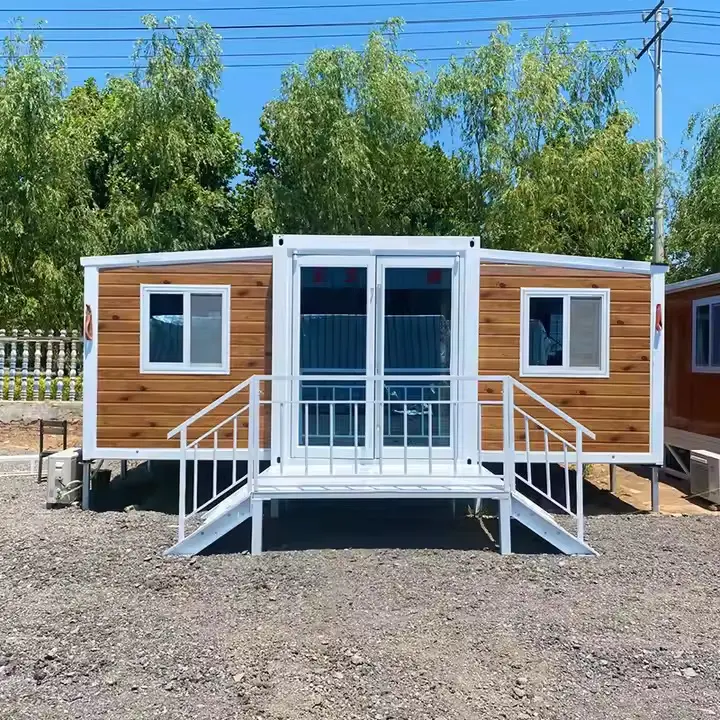
Think of an Expandable Container House as a space-efficient unit that ships compact and “opens up” on-site to create a larger interior footprint. The goal is simple: reduce shipping volume and installation time while giving you a roomier, more comfortable layout than a standard fixed container.
How expansion typically works
- Compact transport mode: the unit is secured for logistics, helping reduce shipping and handling complexity.
- On-site unfolding/expansion: side modules (or fold-out sections) extend outward, increasing floor area.
- Quick weather-tight sealing: joints, seals, and finishing details close up the structure to keep out water and drafts.
- Utilities and interiors: electrical routes, lighting, plumbing interfaces, and interior finishes are completed or connected.
The best part for many buyers is predictability: the main structure arrives in a controlled factory-built state, which helps reduce on-site variability and rework. For projects that need speed, consistency, and repeatability (multiple units, phased rollouts, remote sites), that’s a big deal.
Which Customer Pain Points Does It Actually Solve?
People don’t search for an Expandable Container House because they’re bored—they search because something hurts: time, budget, space, or uncertainty. Here are the most common pain points and how a well-made unit addresses them.
-
“I need space fast, but construction takes too long.”
Expandable designs are built for rapid deployment, with much of the work completed before delivery. -
“My costs keep changing because labor and materials fluctuate.”
Factory-based production can reduce on-site surprises and make pricing easier to forecast. -
“A normal container feels too narrow to live or work in.”
Expansion increases usable width, enabling more practical layouts: real beds, better circulation, and functional zones. -
“I’m worried about leaks, drafts, and comfort.”
Good seals, proper roof/wall systems, and correct insulation choices are the difference between “temporary” and genuinely livable. -
“I need a solution that can move again later.”
Many units are designed for relocation, making them attractive for temporary projects, seasonal needs, and evolving sites. -
“Permits and compliance feel overwhelming.”
While rules vary by location, standardized manufacturing documents, drawings, and specification clarity can make approvals smoother.
The takeaway: the product is not magic—it’s a practical tool. If your problem is “I need predictable space quickly,” an Expandable Container House can be a very rational answer.
Where Does It Make the Most Sense to Use One?
An Expandable Container House shines when speed and flexibility matter more than custom architectural complexity. Common use cases include:
- Site accommodation: worker housing, temporary offices, meeting rooms, washrooms
- Remote or difficult access areas: mining, energy, infrastructure, disaster recovery
- Commercial pop-ups: retail kiosks, showrooms, event booths, ticketing offices
- Community support: clinics, classrooms, quarantine or relief stations
- Personal projects: backyard studio, guest house, weekend cabin
Best-fit signal: If your plan might change in 12–36 months (location, scale, function), flexibility becomes a financial advantage—not just a nice feature.
What Makes a Good Unit in Real-World Conditions?
Two Expandable Container House units can look similar online but behave completely differently after a year of wind, rain, heat, and daily use. Focus on performance factors you can verify—not marketing adjectives.
Key performance areas to evaluate
- Structural integrity: steel framework quality, weld consistency, and structural reinforcement in expanded mode
- Weather protection: roof detailing, drainage paths, sealing strategy at expansion joints
- Thermal comfort: insulation type and thickness appropriate for your climate, plus airtightness at connections
- Ventilation and moisture control: airflow planning to prevent condensation and odors
- Electrical safety: organized wiring routes, safe load design, and clear documentation
- Plumbing readiness: sensible pipe routing, freeze protection options, and easy maintenance access
- Interior durability: wall/ceiling finishes, flooring wear resistance, and cleaning practicality
A manufacturer’s experience matters because expandable systems have more “interfaces” than static buildings—more joints, more moving parts, more places where shortcuts show up later. That’s why many buyers prefer established teams like Weifang Ante Steel Structure Engineering Co., Ltd. that work with clear specifications, consistent production workflows, and practical delivery support.
How Does It Compare to Other Building Options?
You don’t need the “perfect” building type—you need the best match for your timeline, budget, and risk tolerance. This quick comparison helps you frame the decision.
| Option | Speed | Comfort Potential | Relocation | Typical Trade-Off |
|---|---|---|---|---|
| Expandable Container House | Fast | Medium to High (depends on insulation/finishes) | Good | More joints and mechanisms require good design and workmanship |
| Fixed Container Conversion | Fast | Medium | Good | Narrower interior limits layout comfort |
| Traditional Modular Building | Medium | High | Medium | Transport size limits and higher site coordination |
| On-Site Construction | Slow | High | Poor | Long timeline, variable costs, and heavier site disruption |
If you’re choosing based on uncertainty (changing site plans, phased budgets, shifting workforce size), the Expandable Container House often wins because it reduces time-to-use while keeping options open.
What Should You Check Before You Buy?
Most buyer regret comes from assumptions. Use this checklist to turn assumptions into confirmed details.
Pre-purchase checklist
- Intended use: living, office, clinic, retail, storage, mixed-use
- Climate reality: hot, cold, humid, coastal, high wind, heavy snow—choose insulation and sealing accordingly
- Local requirements: setback rules, fire safety, electrical standards, occupancy limits
- Interior plan: number of rooms, bathroom needs, storage needs, bed/desk sizes
- Utilities connection: power supply type, water inlet/outlet, sewage plan, optional solar readiness
- Site conditions: ground levelness, drainage, access for delivery trucks and lifting equipment
- Expansion method: how it unfolds, what tools are required, how long setup typically takes
- Sealing strategy: what prevents leaks at joints, and what maintenance is expected
- After-sales clarity: warranty scope, spare parts availability, and support response workflow
A simple rule: if you can’t describe how the unit stays dry, warm/cool, and safe after one year of use, you haven’t collected enough details yet.
What Does the Purchase-to-Install Process Look Like?
While each project differs, a typical workflow for an Expandable Container House follows a predictable path. The clearer this path is, the less stress you carry during delivery and setup.
-
Requirements confirmation
Define layout, occupancy, climate needs, and utility interfaces. Lock the essentials before cosmetic choices. -
Specification and configuration
Choose insulation level, window/door placement, interior finishes, and electrical/plumbing readiness. -
Production and quality checks
A reliable manufacturer provides measurable checkpoints: structure, sealing details, electrical organization, and finish consistency. -
Delivery planning
Confirm packaging protection, lifting points, transport route constraints, and on-site unloading plan. -
Site preparation
Prepare a stable base, drainage, and utility connection points. Simple prep prevents expensive rework later. -
Installation and handover
Expand, secure, seal, connect utilities, test electrical loads, verify doors/windows, and review maintenance guidance.
Buyers often underestimate the importance of site prep. Even the best Expandable Container House won’t feel right if it’s installed on uneven ground or exposed to poor drainage.
How Do You Maintain It Over Time?
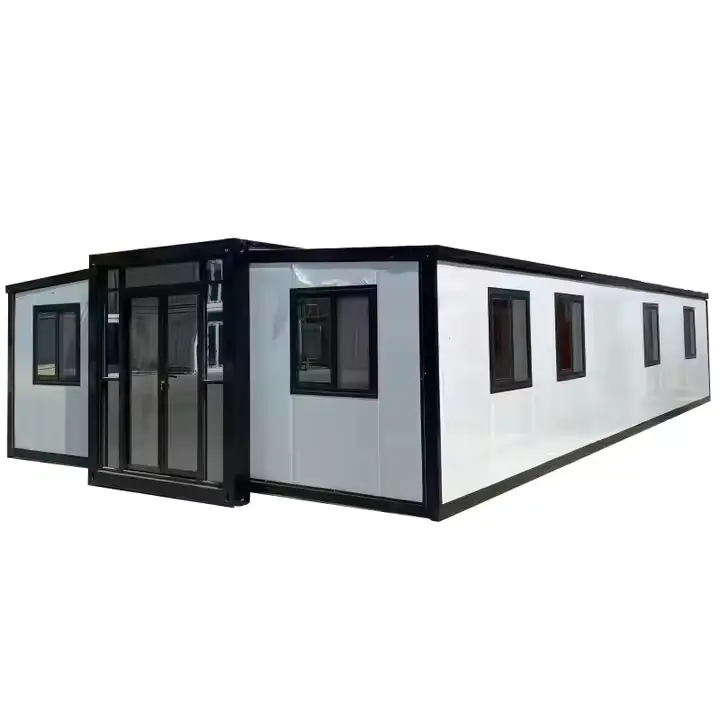
Maintenance is rarely complicated, but it must be consistent—especially for expandable systems with seals and moving interfaces. Treat it like you would treat a vehicle: small checks prevent big repairs.
- Monthly: check door/window alignment, inspect visible seals for gaps, confirm drainage paths are clear
- Seasonally: inspect roof and exterior joints, clean gutters (if applicable), check for condensation signs
- After extreme weather: verify anchoring, look for water intrusion, and inspect any shifting at expansion interfaces
- Annually: review electrical connections, tighten hardware where needed, refresh protective coatings if your environment is harsh
If relocation is part of your plan, keep your documentation organized. Clear records make future moves smoother and protect resale value.
FAQ
- How long does it take to set up an Expandable Container House on-site?
- Setup time depends on unit size, expansion method, and site readiness. With proper site preparation and the right equipment, many projects focus on getting weather-tight quickly, then finishing utility connections and interior readiness afterward.
- Is an Expandable Container House comfortable in hot or cold climates?
- It can be—if the insulation, sealing, and ventilation choices match your climate. Comfort is less about the concept and more about the configuration: insulation level, window strategy, airtightness, and proper HVAC planning.
- Will it leak where the unit expands?
- Leaks are usually a design-and-workmanship issue, not an unavoidable feature. Ask about sealing materials, joint detailing, drainage design, and what inspection steps are used before delivery.
- Do I need a foundation?
- Many installations use a practical, level base system rather than a full traditional foundation. The best approach depends on soil conditions, local requirements, and whether the unit may be relocated later.
- Can I customize the interior layout?
- Yes. Layouts often range from open-plan rooms to multi-room configurations with bathrooms, small kitchens, and storage. Confirm your functional priorities first (sleeping, working, hygiene), then select finishes.
- What should I ask the manufacturer before ordering?
- Ask for clear specifications, drawings, insulation details, sealing approach, electrical load planning, plumbing readiness, warranty scope, and support response steps. Clear answers now prevent costly assumptions later.
Closing Thoughts
An Expandable Container House is not just a trend—it’s a practical response to real-world pressure: tight schedules, shifting project needs, and the desire for comfortable space without endless construction delays. If you choose the right configuration, verify performance details, and install it on a well-prepared site, you can get a solution that feels stable, functional, and genuinely livable.
If you want a clearer recommendation for your scenario—climate, layout, intended use, and delivery constraints—Weifang Ante Steel Structure Engineering Co., Ltd. can help you plan a configuration that fits your needs instead of forcing you into a generic template. Ready to move from “maybe” to a real plan? contact us and tell us what space problem you’re trying to solve.