How to Ensure Proper Packaging and Protection for Overseas Steel Structure Projects?
1. Complex Ocean Shipping Environments Pose High Risks of Damage to Steel Components
During long-distance ocean transit, steel components are subjected to various challenges, including temperature fluctuations, high humidity, salt spray, condensation inside containers, and physical impacts from movement. Inadequate packaging and protection can lead to corrosion, deformation from impacts, or scratches to the paint finish. Such issues necessitate time-consuming and costly repairs upon arrival, which can severely disrupt construction schedules. Many disputes in international steel structure projects stem directly from shortcomings in ocean-freight packaging.
2. Categorized Coding and Packing for Efficient On-Site Sorting
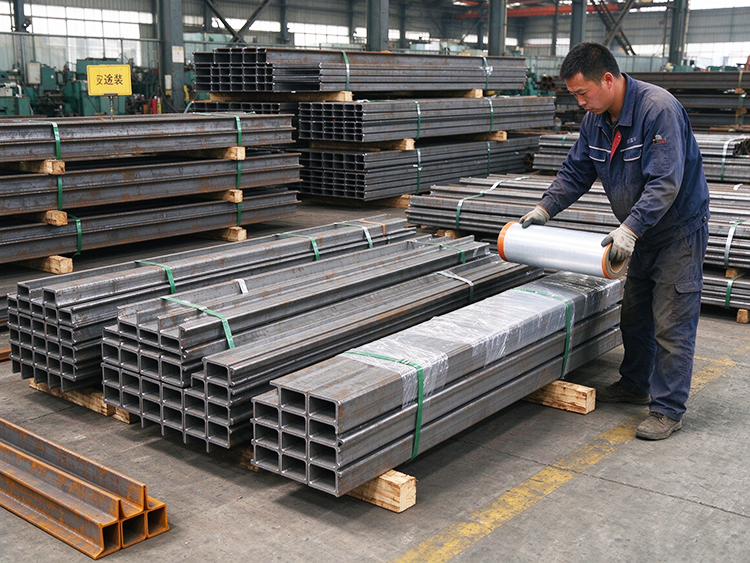
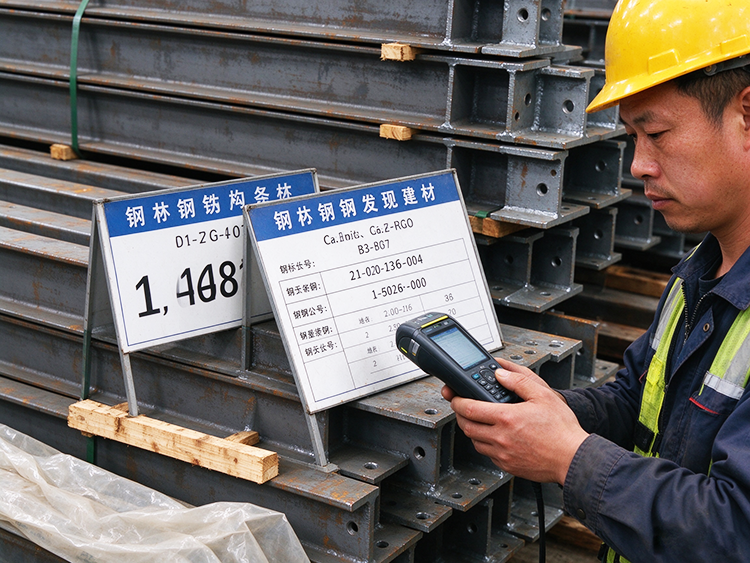
Weifang Ante Steel Structure employs a standardized packing process. All steel beams, columns, connection plates, and auxiliary components are assigned unique identification numbers and documented in a comprehensive packing list. Similar components are secured on specialized racks, while smaller parts are packed in separate, waterproof containers labeled with QR codes. Upon receiving the shipment, overseas construction teams can quickly sort the items using the packing list, eliminating confusion or the risk of missing components.
3. Multi-Layered Protection Against Salt Spray and Moisture
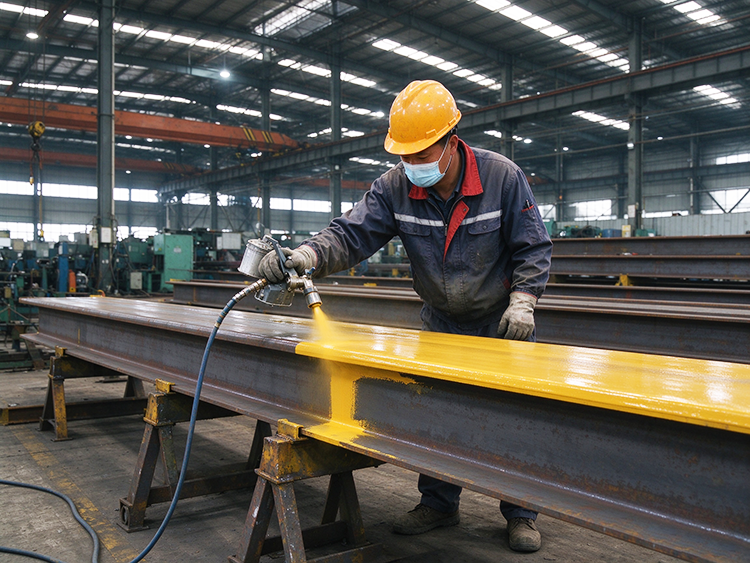
A multi-layered protection strategy is applied: components receive a primary anti-corrosion coating before leaving the factory, followed by a protective wrap of anti-rust, waterproof film. Rubber pads are placed at contact points to prevent friction, and long components are fitted with support points to avoid deformation during transit. For routes with high salt-spray exposure, vapor-phase corrosion inhibitor (VCI) bags are added to mitigate the risk of rust caused by condensation within the containers, ensuring the components arrive in pristine condition.
4. Engineered Container Loading to Prevent Transit Damage
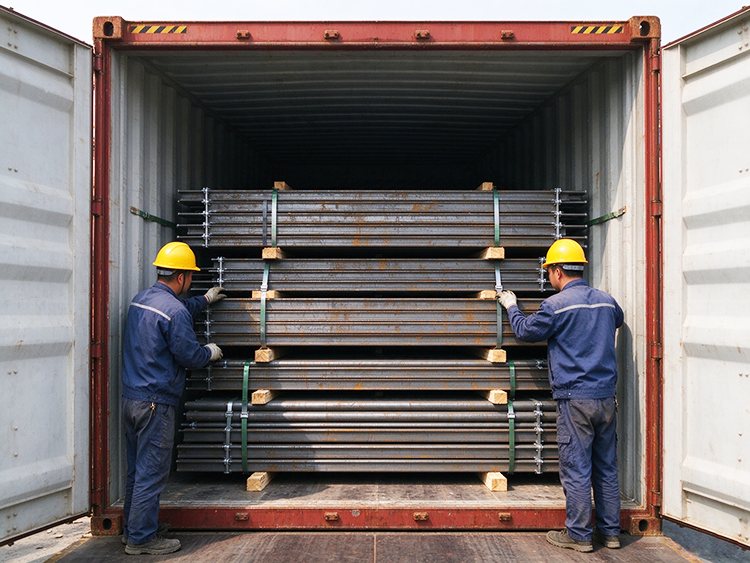
Loading a container is more than just filling the space; it requires a strategic layout based on the weight and length of the components. The center of gravity must be balanced, and steel strapping is used to secure and restrain items, preventing them from shifting, crushing, or deforming due to motion at sea. The Ante team provides a detailed loading plan in advance, balancing container space utilization with transport safety—effectively controlling shipping costs while minimizing the risk of damage during transit.
5. Customized Packaging Solutions Tailored to Destination-Specific Logistics Requirements
Different destination countries impose specific fumigation and quarantine requirements for wooden packaging. Based on the regulations of the destination, Ante selects either fumigated wooden pallets or non-fumigated plastic pallets to prevent customs holds. By providing integrated management—covering design, production, packaging, and container loading—we minimize transit damage for cross-border steel structure projects and ensure consistent delivery quality, offering our overseas clients a reliable, worry-free export solution.