Can Low-Carbon Steel-Structured Buildings Meet New International Green Building Regulations?
1. Emergence of Green Building Regulatory Standards Globally
In recent years, many countries and regions have introduced policies for low-carbon construction. New buildings are now required to meet specific carbon emission targets, and some jurisdictions have even imposed stricter approval thresholds for high-carbon construction projects. Given the high carbon footprint associated with concrete, many project owners are seeking low-carbon alternatives—creating new market opportunities for recyclable steel structures.
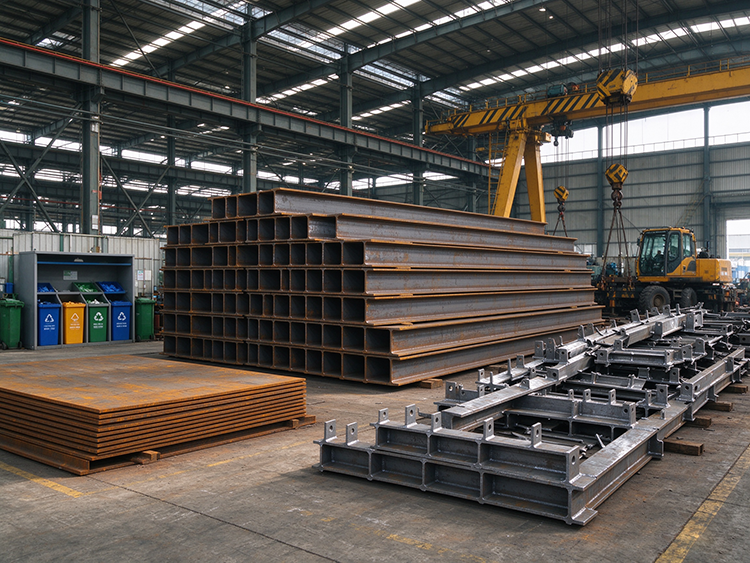
2. Core Advantage of Steel Structures: Recyclability and Reusability
The primary steel components used in these structures are fully recyclable. At the end of a building’s lifecycle, steel components can be dismantled and remelted. Unlike concrete, which generates construction waste that is difficult to manage, steel offers a clear advantage in terms of its carbon footprint. At Weifang Ante Steel Structure, we prioritize designs that allow for the disassembly and reuse of components—making them ideal for projects such as temporary camps or relocatable industrial parks—thereby enhancing the building's "green" credentials throughout its entire lifecycle.
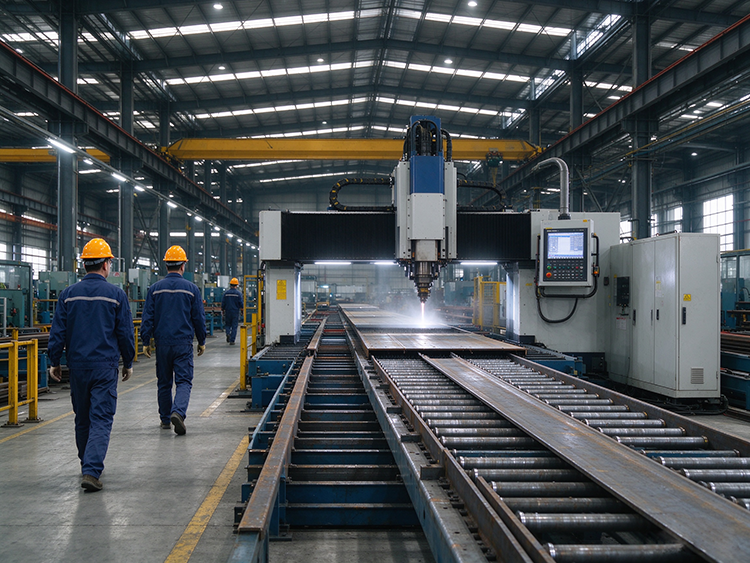
3. Upgraded Envelope Systems to Reduce Operational Energy Consumption
Low-carbon construction extends beyond the materials themselves to include energy efficiency during the building's operational phase. Ante provides high-insulation sandwich wall panels, energy-efficient roofing systems, and natural ventilation designs, all of which help reduce energy consumption for heating and air conditioning. Furthermore, projects can be designed with integrated mounting bases for future photovoltaic (solar panel) installations, further lowering operational carbon emissions and helping to meet green certification requirements.
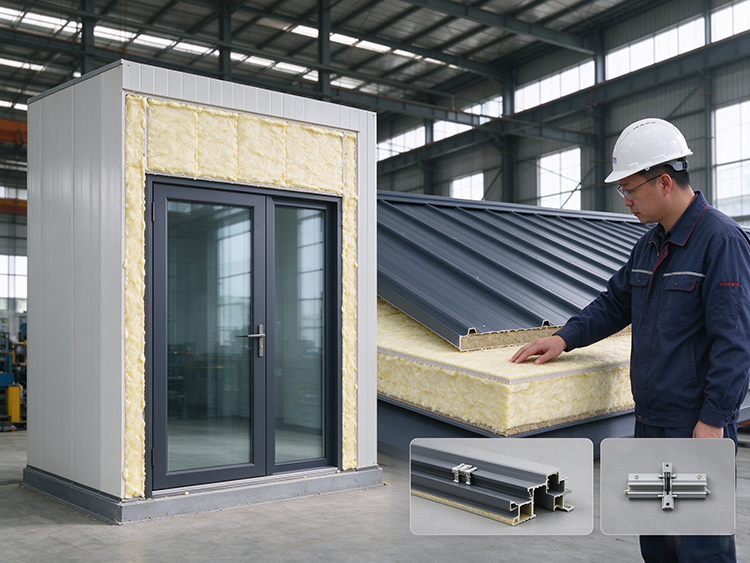
4. Prefabricated Construction: Minimizing On-Site Pollution and Resource Waste
Prefabricated, modular construction significantly reduces the dust, wastewater, and construction debris typically associated with on-site pouring of concrete and use of aggregates. Because components are precisely prefabricated in a factory, material waste is kept under control. This approach aligns with international ESG standards and "green job site" management requirements, while also making it easier for clients to apply for local green building subsidies and certifications.
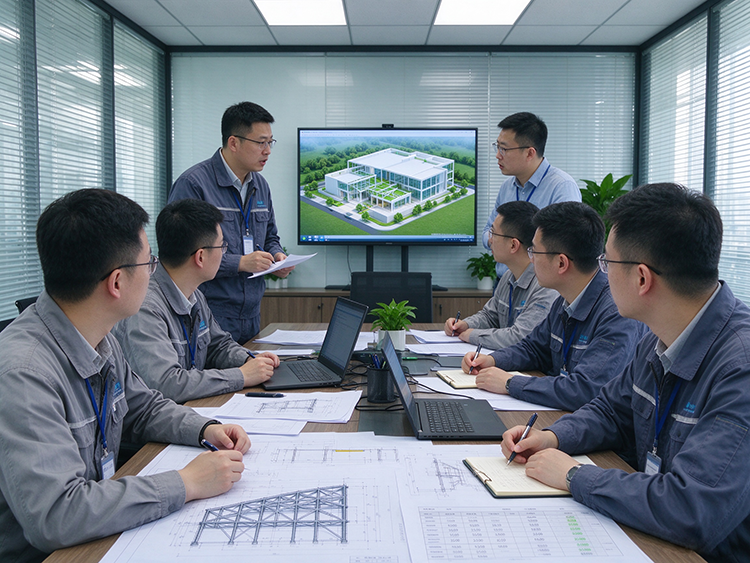
5. Proactive Low-Carbon Design to Meet Certification Requirements
Ante Steel Structure can assess a building’s carbon metrics during the preliminary design phase—tailoring structural sections, materials, and envelope solutions to ensure compliance with the specific green building regulations of the target region. As global decarbonization efforts continue to accelerate, low-carbon, prefabricated steel structures are becoming a highly competitive solution for green construction projects worldwide.