Why Does a Capsule House Change the Way You Build?
The buyer pain points most people discover too late
If you’re researching a Capsule House, you’re probably trying to avoid at least one of these headaches: unpredictable build costs, slow construction timelines, limited land flexibility, or the need for a fast, attractive unit that can generate revenue. The problem is that many “quick build” solutions become expensive when details are vague.
The common traps to avoid:
- Ambiguous inclusions (you thought it included plumbing fixtures or HVAC—turns out it didn’t).
- Site surprises (no crane access, uneven ground, hidden utility work, drainage issues).
- Comfort gaps (condensation, overheating, weak ventilation, poor sound isolation).
- Permit friction (local rules treat units differently depending on use and foundation type).
- After-delivery confusion (who installs, who connects utilities, who handles commissioning).
A Capsule House can absolutely solve these problems—but only when you treat it like a real building project, not a single product purchase. The rest of this article shows you how to do that in a clean, low-drama way.
What a Capsule House is and what it is not
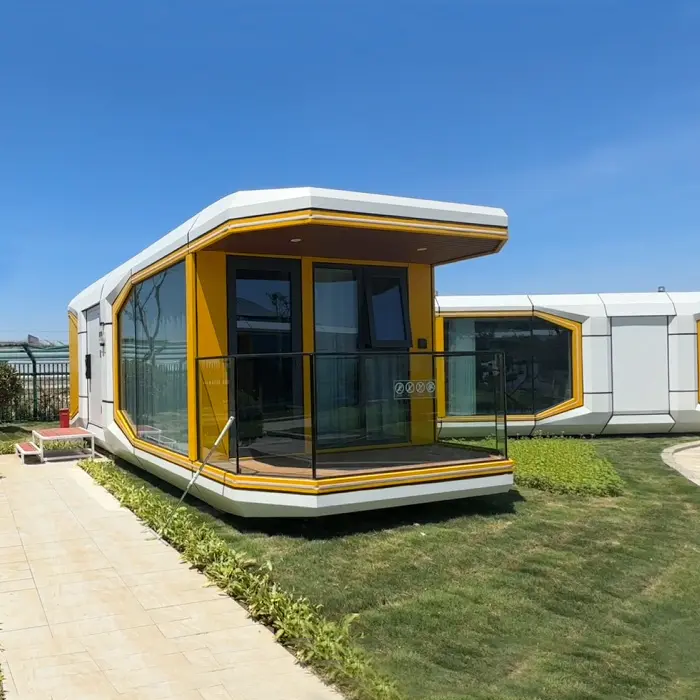
Think of a Capsule House as a compact, factory-built living unit designed to maximize usable space while keeping installation relatively fast. Many Capsule House designs focus on a “micro-building” experience: efficient layout, integrated systems, and a distinctive exterior that looks premium in resorts, rentals, and modern residential settings.
What it is not: a magic box that ignores physics, weather, or local approvals. If you want a Capsule House that feels calm, quiet, and comfortable, you’ll need to align three things:
- Design layout and openings (doors/windows) that support airflow and livability
- Envelope insulation + vapor control + waterproofing that match your climate
- Systems power, lighting, ventilation, heating/cooling, and plumbing planned upfront
That’s also where a capable manufacturer matters. For example, Weifang Ante Steel Structure Engineering Co., Ltd. focuses on modular steel-structure housing solutions, which is especially relevant for buyers who want repeatable quality and practical customization rather than a one-off build.
Comfort fundamentals that make or break daily living
Most buyer regret is not about the exterior shape—it’s about how the space feels at 2 a.m. in heavy rain, in peak summer heat, or during a humid season. Use this comfort checklist before you lock your configuration.
| Comfort Factor | What can go wrong | What to specify | How to verify |
|---|---|---|---|
| Insulation + thermal bridging | Hot/cold spots, high energy bills, uncomfortable sleeping zone | Insulation approach suited to your climate; details around framing junctions | Ask for wall/roof build-up description and cold-spot mitigation details |
| Ventilation | Stale air, odors, moisture buildup, foggy windows | Dedicated ventilation plan (not only “open a window”) | Confirm fan capacity, intake/exhaust placement, and controls |
| Humidity + condensation control | Mold risk, damp bedding, peeling finishes | Bathroom exhaust, vapor strategy, sealing details around openings | Request sealing notes for windows/doors and wet-area detailing |
| Noise | Road noise, mechanical noise, echo inside a compact room | Door/window quality level; interior acoustic improvements | Ask what glazing/door seals are used and where mechanical units sit |
| Lighting | Beautiful photos, but harsh or dim real-life lighting | Layered lighting (ambient + task + bathroom + exterior) | Ask for a lighting plan and switch layout |
Small space tip that saves big headaches: In a Capsule House, the bathroom and kitchen zones control your comfort. If those areas have weak exhaust or poor sealing, the whole unit will feel damp or “stuffy.” Prioritize ventilation, wet-area finishes, and a clear plumbing plan early.
Site planning, permits, transport, and installation
Buyers often focus on the unit and forget the site. Then delivery day arrives and everyone realizes there is no clean path for unloading, no stable placement area, or no approved way to connect utilities. A smooth Capsule House project starts with site questions.
- Placement access: Can a truck reach the location? Is there room for lifting/positioning if required?
- Ground conditions: Is the ground stable and level? Will you need grading, drainage, or a pad/foundation?
- Water and wastewater: Are you connecting to municipal lines, using a tank system, or planning an approved alternative?
- Power: What voltage/phase is available? Do you need a distribution box upgrade?
- Local approvals: Rules can change based on whether it’s a residence, rental, office, or temporary structure.
Cost clarity and timeline reality checks
A Capsule House is appealing because of speed and predictability—so your pricing and schedule should feel predictable, too. If a quotation is a single line item with no scope breakdown, assume you will pay extra later.
Ask for a quote that separates these buckets:
- Base unit (structure, enclosure, standard doors/windows, core interior finishes)
- Systems (electrical, lighting, ventilation, plumbing routing, fixtures level)
- Comfort upgrades (insulation level, glazing quality, HVAC options, sound improvements)
- Site-related work (foundation/pad, utility connection, drainage, installation labor)
- Logistics (packing, loading, shipping method, unloading requirements)
Timeline sanity check: The unit can be produced quickly, but your project speed is often limited by site prep and approvals. If you want a fast launch (especially for rentals), treat permits and utilities as the “critical path,” not the factory lead time.
Materials, safety, and build quality questions to ask
A Capsule House should feel solid, weather-tight, and safe. Don’t settle for vague promises—ask questions that force clear answers. Here are buyer-friendly checks that work even if you’re not an engineer.
| Topic | Buyer question | Why it matters | What you want to receive |
|---|---|---|---|
| Structure | What is the structural frame material and protection strategy? | Strength, durability, and long-term stability | Basic specification sheet + protection notes (coating/galvanizing approach if applicable) |
| Wall/roof system | What is the enclosure build-up and insulation approach? | Comfort, energy use, condensation risk | Wall/roof build-up description, including insulation type/level options |
| Waterproofing | How are joints, openings, and roof transitions sealed? | Stops leaks that become expensive later | Installation/maintenance notes for sealing and drainage |
| Fire safety | What fire-related materials or design considerations are used? | Safety and compliance discussions with local authorities | Material descriptions and any available certification documents you can share with inspectors |
| QC process | How do you check finish quality before shipping? | Prevents “arrival surprises” | Factory inspection checklist + photo/video proof before dispatch |
If you’re comparing suppliers, favor the one who answers with documents and checklists rather than marketing language. That’s the difference between a unit that looks good on delivery day and one that stays comfortable for years.
Customization that actually improves outcomes
Customization is exciting—and it’s also where budgets drift. The smart move is to customize only what affects livability, operating cost, and guest/user experience. In a Capsule House, these upgrades tend to deliver the best return:
- Layout optimization: storage, circulation space, and a usable “daily routine” path (sleep → wash → work → relax).
- Bathroom integration: better exhaust, more durable wet-area finishes, and a clean plumbing plan.
- Window/door performance: improving sealing and glazing quality for noise and temperature stability.
- Ventilation strategy: clear intake/exhaust routing and controls suited to your climate.
- Power plan: outlet locations, lighting layers, and load capacity aligned with real appliances.
A practical buying process you can follow
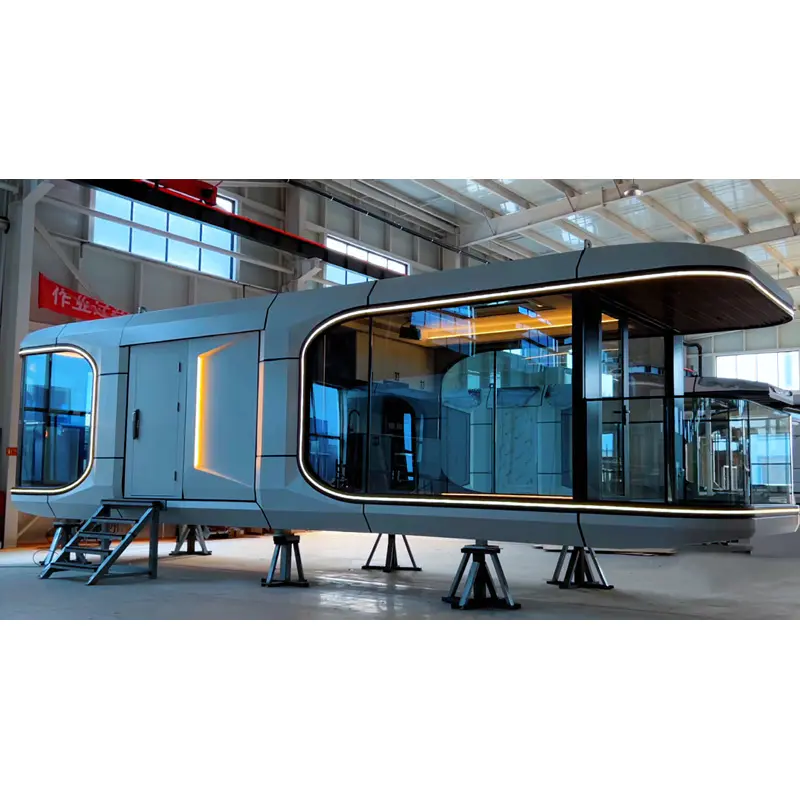
A clean procurement process protects you from misunderstandings and makes delivery smoother. Here’s a buyer-friendly sequence you can copy and paste into your project plan:
- Define the use scenario (personal living, staff housing, resort rental, office, pop-up shop).
- Confirm site basics (access, leveling, utilities, drainage, local approval path).
- Choose a base configuration (size/layout) and list non-negotiables (bathroom type, kitchen needs, HVAC preference).
- Request a scope-separated quotation (base, systems, upgrades, logistics, site work).
- Review drawings/options and lock the final list (avoid last-minute “nice-to-have” additions).
- Ask for QC checkpoints (pre-shipment inspection photos/video and acceptance criteria).
- Plan delivery and installation (unloading method, placement, utility connection, commissioning steps).
- Prepare an operations plan (cleaning, ventilation routine, filter maintenance, sealing checks).
Where Weifang Ante Steel Structure Engineering Co., Ltd. can fit in: If you’re sourcing a Capsule House for a repeatable project (multiple units, a resort row, phased expansion, or standardized staff housing), working with an established modular manufacturer can simplify drawings, options management, and consistency across deliveries.
Where a Capsule House delivers the best value
A Capsule House shines when you need speed, visual appeal, and a compact footprint—without building a full traditional structure on-site. These are common “best-fit” scenarios:
- Resort and rental cabins: distinctive look, repeatable deployment, and fast room expansion.
- Backyard studios: a quiet work/creative space separated from the main house.
- On-site staff accommodation: practical living units close to job sites or remote locations.
- Pop-up commercial use: showroom, ticket booth, reception, or temporary office.
- Phased development: start with a few units, add more as demand grows.
| Option | Best for | Main advantage | Watch-outs |
|---|---|---|---|
| Capsule House | Rentals, resorts, modern micro-living, brand-driven projects | Strong aesthetics + compact efficiency | Comfort details must be specified (ventilation, condensation control) |
| Traditional cabin build | Long-term permanent residential structures | Full customization on-site | Longer timeline and higher on-site complexity |
| Standard container conversion | Utility-focused spaces with low design emphasis | Availability and ruggedness | Thermal bridging and comfort upgrades can become costly |
FAQ
Next steps
A Capsule House can be a genuinely smart solution when you treat it like a complete project: site plan, comfort plan, cost clarity, and a supplier who documents what they deliver. If you want a Capsule House that looks premium and also feels calm and livable every day, start by locking the scope and comfort details before you finalize the configuration.
Ready to move from “research mode” to a clear plan? Share your location, intended use, and the unit quantity you’re considering, and the team at Weifang Ante Steel Structure Engineering Co., Ltd. can help you shortlist configurations, clarify what’s included, and map the steps from site prep to installation—contact us to get a practical quotation and options list.