Will steel structure photovoltaic integrated buildings become a new trend overseas?
1、 Overseas energy costs rise, leading to a surge in demand for carbon reduction and cost reduction in factories
Electricity prices continue to rise in many overseas regions, while low-carbon policies are gradually being implemented. Industrial buildings need to control their electricity consumption while also meeting green declaration requirements. Steel structure+photovoltaic integrated building (BIPV), which can lay photovoltaic panels on the roof of factories for self use, has attracted attention from overseas industrial customers. Weifang Ante Steel Structure Engineering Co., Ltd. is simultaneously developing steel structure factory buildings and scaffolding products that are suitable for photovoltaic loads.
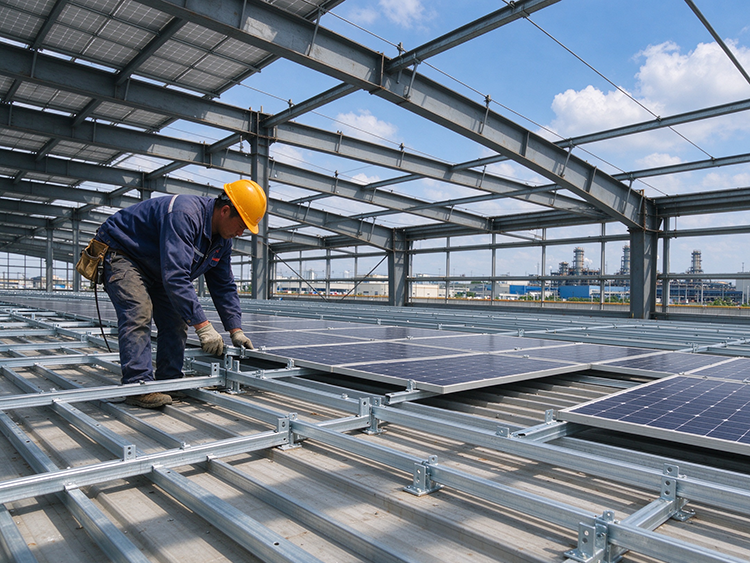
2、 Steel structure roof bearing capacity, suitable for photovoltaic module load
Ordinary roof structures cannot withstand the additional weight of photovoltaic brackets and solar panels, which can easily pose safety hazards. At the beginning of the steel structure design, Ante included photovoltaic loads in the calculation, optimized the roof purlin and main beam structure, reserved fixed points for photovoltaic brackets, balanced the drainage and photovoltaic power generation efficiency of the roof slope, and balanced structural safety and power generation efficiency.
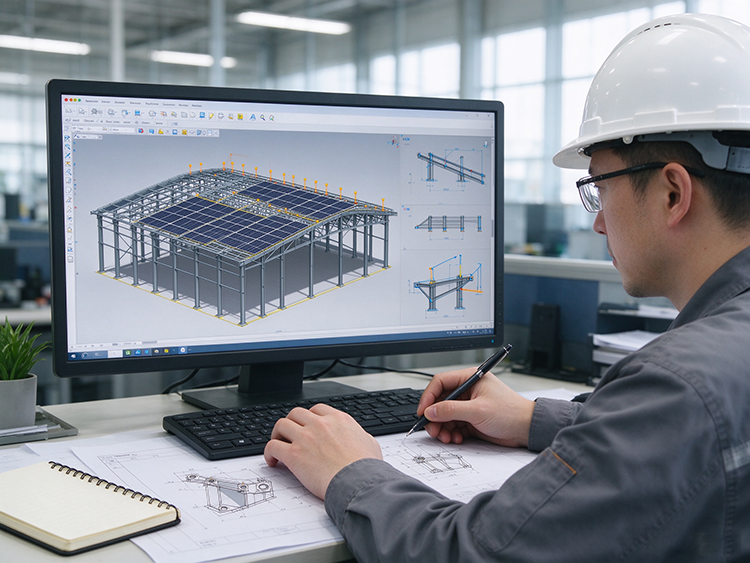
3、 Integrated design reduces waste from secondary renovation
Separating the construction of factories and installing photovoltaics in the later stage can easily lead to problems such as drilling damage to waterproofing and unreasonable layout. Synchronized planning of photovoltaic integration mode, simultaneous construction of roof waterproofing and pipeline reservation, reducing rework in the later stage, improving waterproof sealing, reducing the risk of roof leakage, and extending the overall service life of the building.
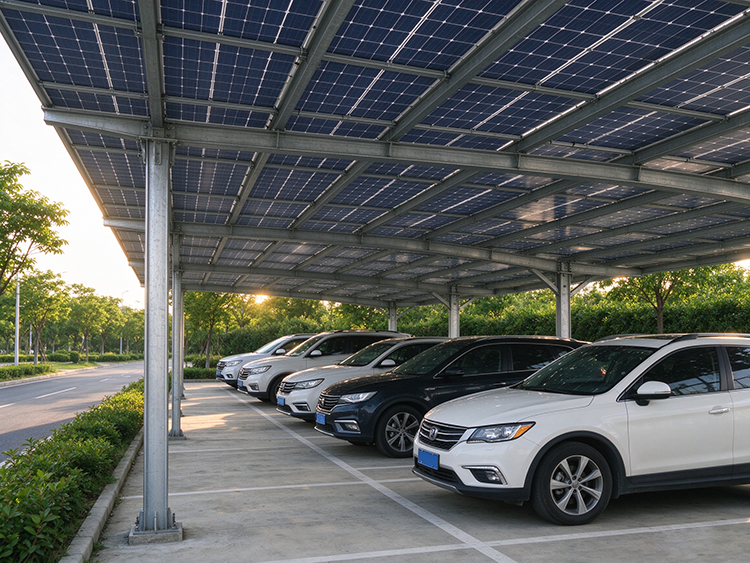
4、 Adapt to multiple scenarios, not limited to production plants
This solution is not only used in production workshops, but can also be applied to storage sheds, parking sheds, agricultural breeding sheds, etc. Many overseas farms and logistics parks hope to use idle roofs and sheds to generate electricity and reduce operational energy consumption. Ante can adjust the structural form according to the scene and design different schemes such as lightweight photovoltaic steel sheds and heavy-duty photovoltaic factories.
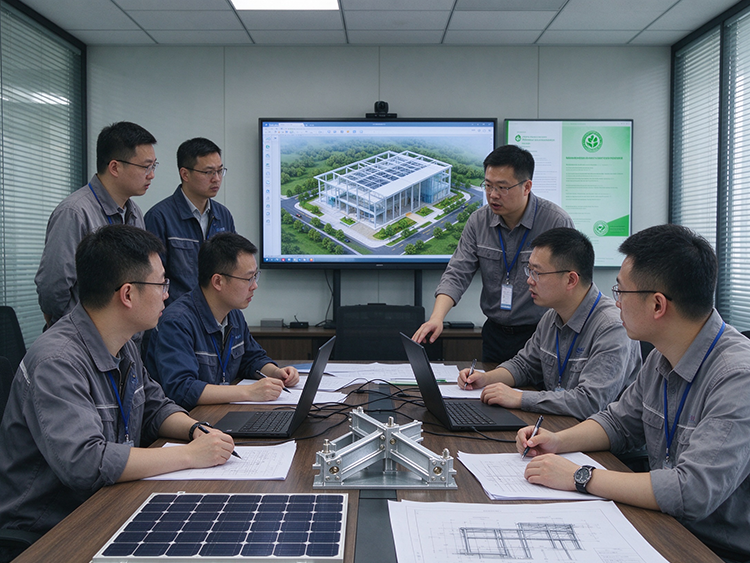
5、 Keeping up with green standards and helping customers obtain low-carbon certification
In many overseas regions, the use of photovoltaic integrated buildings can enjoy subsidies, tax incentives, and meet green building certification requirements. The Ante team is familiar with the relevant technical requirements, and the design materials can support the customer's low-carbon declaration. The steel structure is recyclable, combined with the photovoltaic clean energy attribute, to create a low-carbon building solution that is in line with the overseas green development direction.