Why Should You Consider a Prefab Container House for Modern Living
The concept of a Prefab Container House has gained immense popularity in recent years due to its cost-efficiency, sustainability, and flexibility. This article explores the benefits, design considerations, and practical applications of prefab container homes, providing insights backed by industry knowledge from Ante. Whether you are an urban dweller seeking a compact solution or a developer aiming to optimize construction efficiency, this guide will help you understand why prefab container homes are revolutionizing the housing industry.
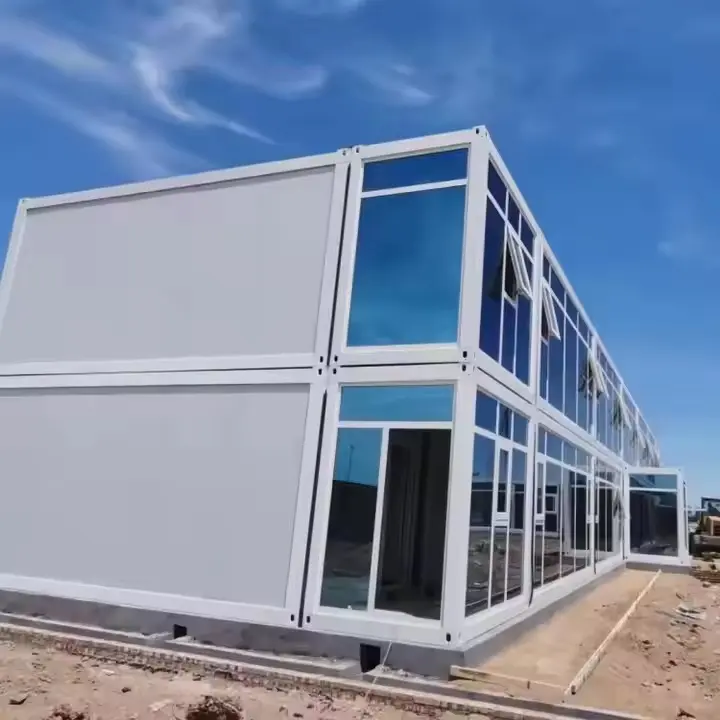
Table of Contents
- What is a Prefab Container House?
- Benefits of Prefab Container Houses
- Design and Customization Options
- Materials and Sustainability
- Construction Process of Prefab Container Houses
- Cost Analysis Compared to Traditional Housing
- Applications and Use Cases
- Frequently Asked Questions (FAQ)
- Conclusion
What is a Prefab Container House?
A Prefab Container House is a modular home made from shipping containers, which are pre-fabricated and then transported to the site for assembly. These homes provide a modern, versatile, and eco-friendly solution for residential and commercial needs.
- Modular construction enables faster build times.
- High durability due to the steel structure.
- Can be combined or stacked for larger spaces.
Benefits of Prefab Container Houses
Prefab container homes offer multiple advantages over traditional construction methods. Key benefits include:
| Benefit | Description |
|---|---|
| Cost-Effective | Lower construction costs due to standardized manufacturing and reduced labor requirements. |
| Eco-Friendly | Reuses shipping containers, reducing the carbon footprint and promoting sustainability. |
| Durable | High-strength steel structures ensure longevity and resistance to natural disasters. |
| Customizable | Flexible interior and exterior designs to suit residential or commercial needs. |
Design and Customization Options
Ante offers a wide range of design solutions for prefab container homes:
- Single or multi-story units.
- Open-plan interiors or partitioned rooms.
- Exterior finishes including wood, composite panels, or paint.
- Integration of sustainable energy systems like solar panels.
Materials and Sustainability
Prefabricated container houses utilize eco-friendly materials while maintaining structural integrity:
- High-grade steel for container walls and frames.
- Insulation materials for temperature control and energy efficiency.
- Recycled materials for interiors to reduce environmental impact.
Using these materials, prefab container homes align with global sustainability initiatives and reduce construction waste significantly.
Construction Process of Prefab Container Houses
The construction of a prefab container house involves the following steps:
- Design and customization planning.
- Fabrication of container modules in a factory.
- Transporting containers to the building site.
- Assembly, including stacking, welding, and securing modules.
- Interior finishing and installation of utilities.
This streamlined process results in faster construction times compared to traditional buildings, often reducing timelines by up to 50%.
Cost Analysis Compared to Traditional Housing
Prefab container homes are often more economical. Here's a cost comparison:
| Type of Housing | Average Cost per Square Meter | Construction Time |
|---|---|---|
| Traditional Concrete House | $1,200 - $1,500 | 6-12 months |
| Prefab Container House | $800 - $1,200 | 2-4 months |
Cost savings come from reduced labor, shorter construction time, and the efficient use of materials.
Applications and Use Cases
Prefab container houses are versatile and can serve multiple purposes:
- Residential homes and apartments
- Temporary housing for construction sites or disaster relief
- Commercial offices and retail spaces
- Tourism accommodations, such as hotels or cabins
Frequently Asked Questions (FAQ)
1. Are prefab container houses safe in extreme weather?
Yes, the steel structure provides excellent durability, making them resistant to hurricanes, earthquakes, and heavy snow.
2. Can I customize the layout of my prefab container house?
Absolutely. Ante offers flexible designs with modular combinations to create the desired floor plan.
3. How long does it take to build a prefab container house?
Construction typically takes 2-4 months, significantly faster than conventional housing.
4. Are prefab container houses eco-friendly?
Yes, they reuse shipping containers and incorporate sustainable materials and energy-efficient systems.
5. Can prefab container houses be used for commercial purposes?
Yes, they are suitable for offices, retail spaces, and temporary commercial buildings.
Conclusion
In conclusion, a Prefab Container House provides a modern, cost-effective, and sustainable alternative to traditional housing. With the expertise of Ante, these homes offer customizable designs, quick construction, and versatility for various residential and commercial needs. If you are considering an innovative housing solution that aligns with today’s sustainable living trends, a prefab container home is an excellent choice. Contact us today to explore your options and get started on your dream modular home!