Why Is Modular Mobile Architecture Becoming the Industry's Mainstream Choice for 2026?
1.New Industry Trends: Continuous Evolution of Modular Architecture
In recent years, prefabricated green architecture has gained rapid popularity as the drawbacks of traditional on-site construction—such as low efficiency, high costs, and poor environmental performance—have become increasingly apparent. Mobile and recyclable modular container-style buildings are widely used in sectors ranging from engineering and commercial operations to cultural tourism and urban infrastructure, thanks to their rapid assembly, high adaptability, and low-carbon, energy-efficient nature. Mainstream products—including flat-pack containers, folding containers, expandable containers, "Apple cabins," and space capsules—now fully cover scenarios ranging from essential temporary facilities and commercial retrofits to high-end cultural tourism projects, marking the primary direction of development in the prefabricated building sector.
2.Essential Standard Models: Flat Pack Container House and Folding Container House
Flat Pack Container House and Folding Container House represent the fundamental, high-demand products of the modular building industry; prized for their versatility and cost-effectiveness, they are the top choice for a wide range of temporary construction projects. Flat-pack containers feature a robust, integrated steel structure that offers excellent seismic and compressive strength, as well as superior waterproofing and corrosion resistance, ensuring a long service life. Their installation process is simple and efficient, requiring no complex on-site civil engineering; they allow for the rapid setup of office, accommodation, and storage spaces, making them suitable for construction sites, emergency projects, temporary venues, and other essential applications.
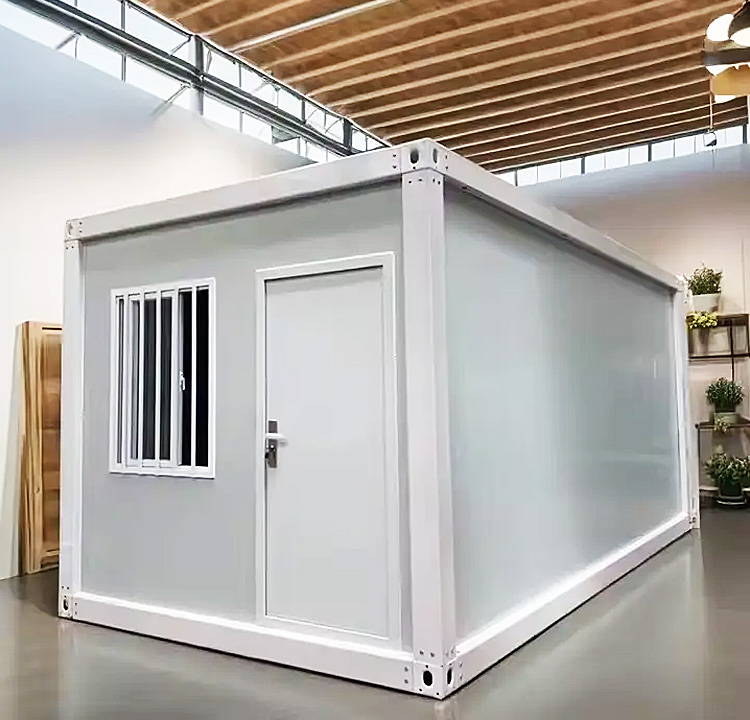
Folding Container House are an optimized upgrade to flat-pack containers, offering key advantages in portability, ease of storage, and low turnover costs. When not in use, they can be fully folded and compressed, saving over 75% of logistics and storage space and drastically reducing costs associated with long-distance transport and frequent relocation. For short-term, highly mobile projects, folding containers offer far greater economic value and flexibility than traditional temporary structures, leading to a continuously expanding market presence.
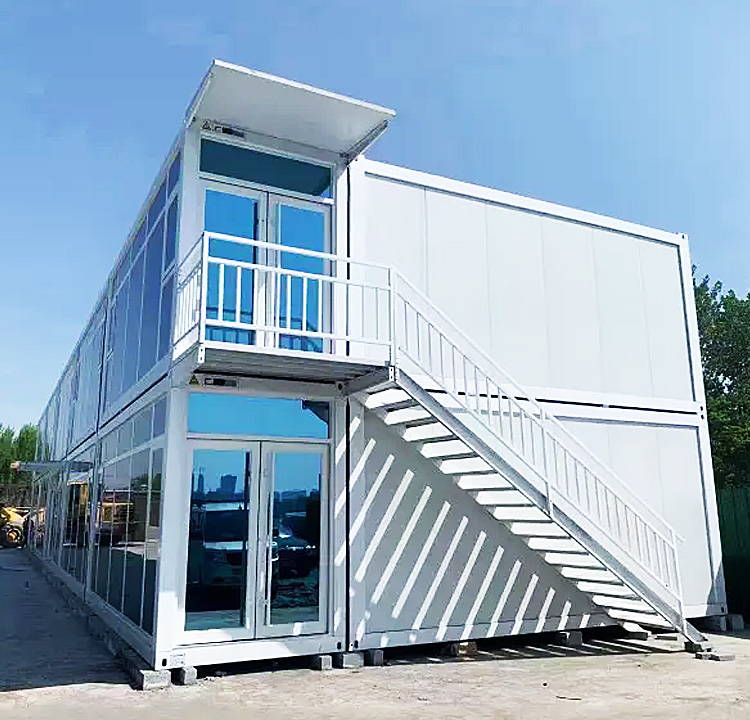
3.Advanced Commercial Models: Expandable Container House Offer Flexible Adaptation to Diverse Scenarios
Addressing the limitations of traditional containers—namely fixed dimensions and poor adaptability to different use cases—Expandable Container House offer functional upgrades that make them a premier choice for lightweight commercial architecture. These units can expand or retract freely based on specific needs; they occupy minimal space when stowed yet provide a spacious, well-organized interior when deployed, perfectly balancing ease of storage with practical utility.
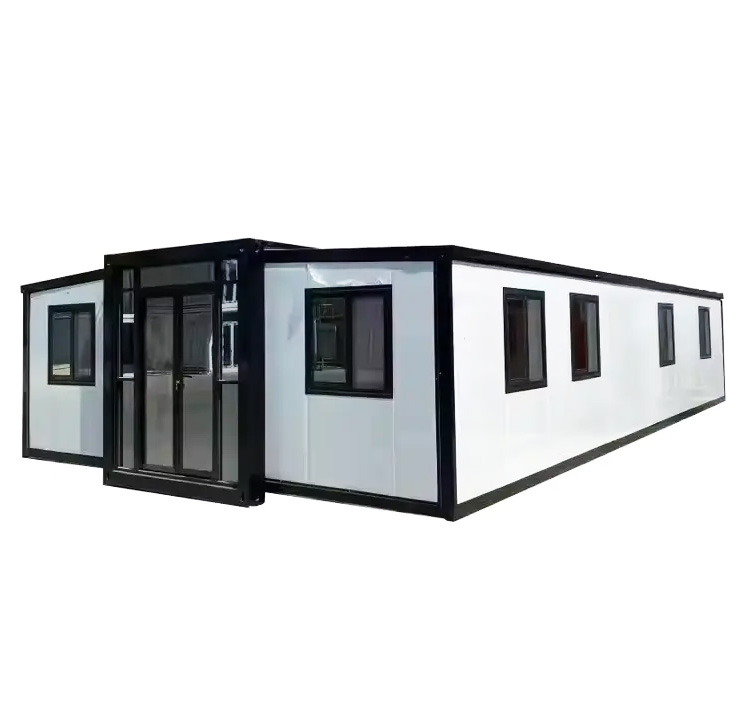
Expandable Container House units offer great flexibility and reusability, allowing them to be transformed into diverse facilities such as pop-up shops, cultural and creative exhibition halls, community service stations, and compact guesthouses. Requiring no traditional civil engineering, they are easy to assemble and disassemble and can be reused repeatedly. They precisely meet the needs of lightweight commercial operations, temporary cultural tourism installations, and urban amenity setups, perfectly aligning with current trends toward lightweight, low-cost business development.
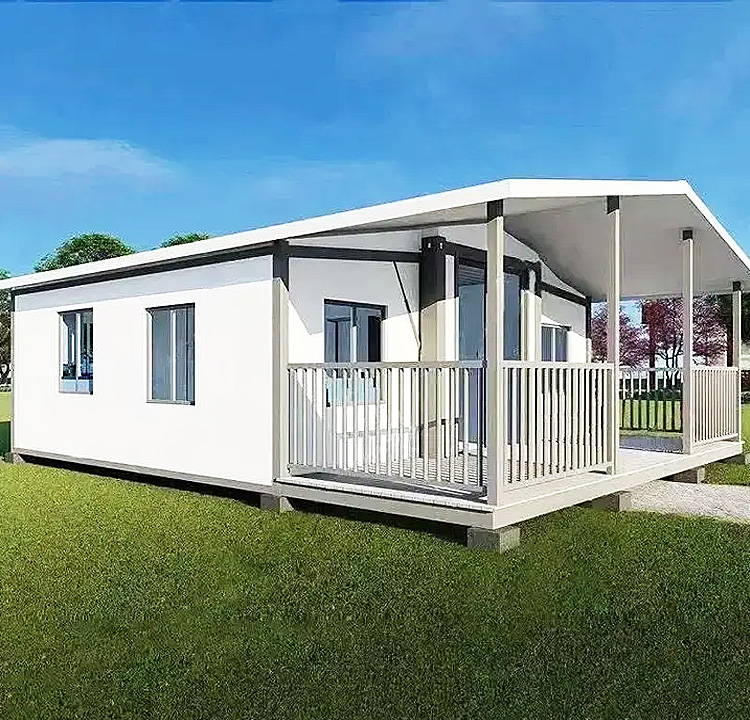
4.High-End Cultural Tourism Models: "Apple Cabin" and "Capsule House" Leading the "Affordable Luxury" Trend
As the cultural tourism industry upgrades, modular cabins—characterized by their aesthetic appeal, smart technology, and high comfort—have gained significant market favor; "Apple Cabin" and "Capsule House" dominate the high-end sector. Apple Cabin feature a minimalist, integrated, and "affordable luxury" design with a sleek, rounded appearance and support for comprehensive customization. They offer excellent thermal insulation, soundproofing, and eco-friendly, low-carbon performance, ensuring a superior living experience. They are widely used in cultural tourism campsites, rural guesthouses, urban scenic viewpoints, and leisure teahouses.
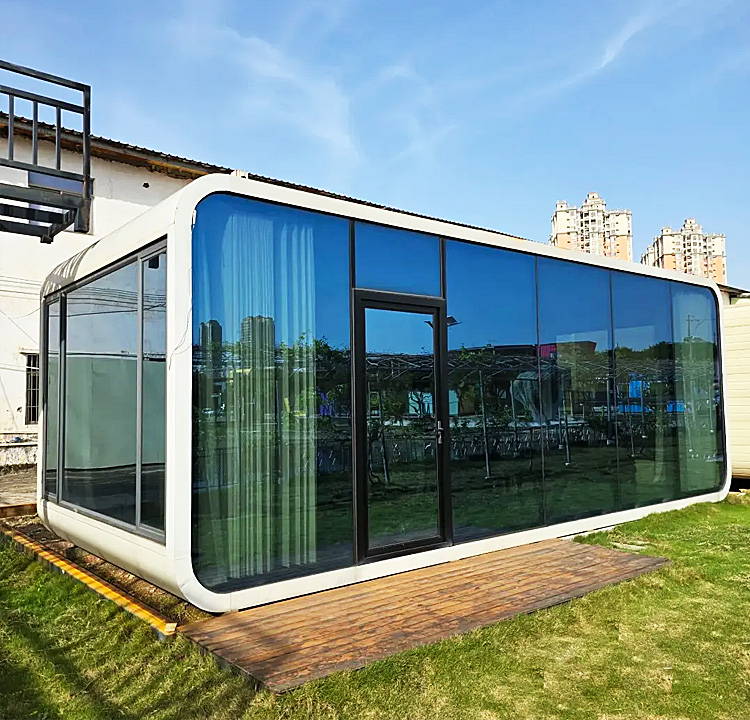
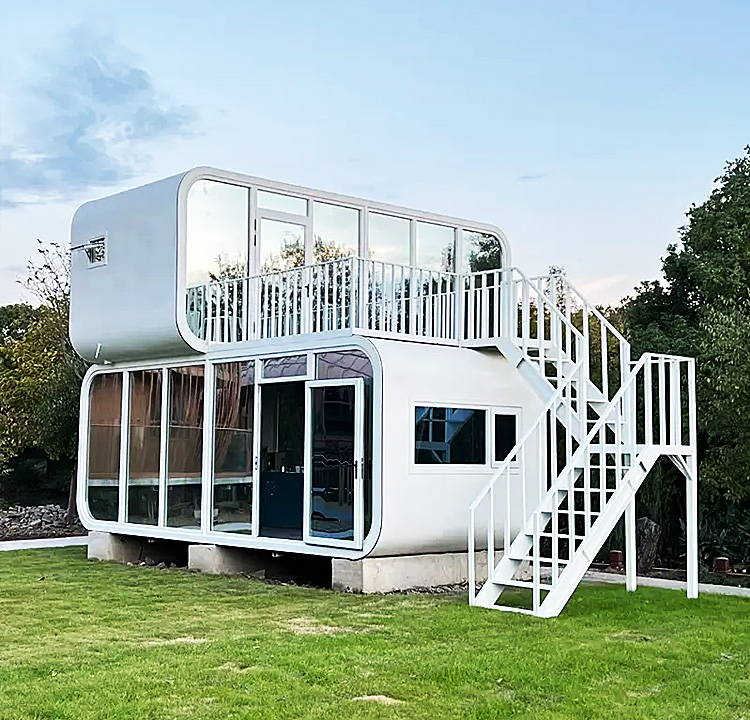
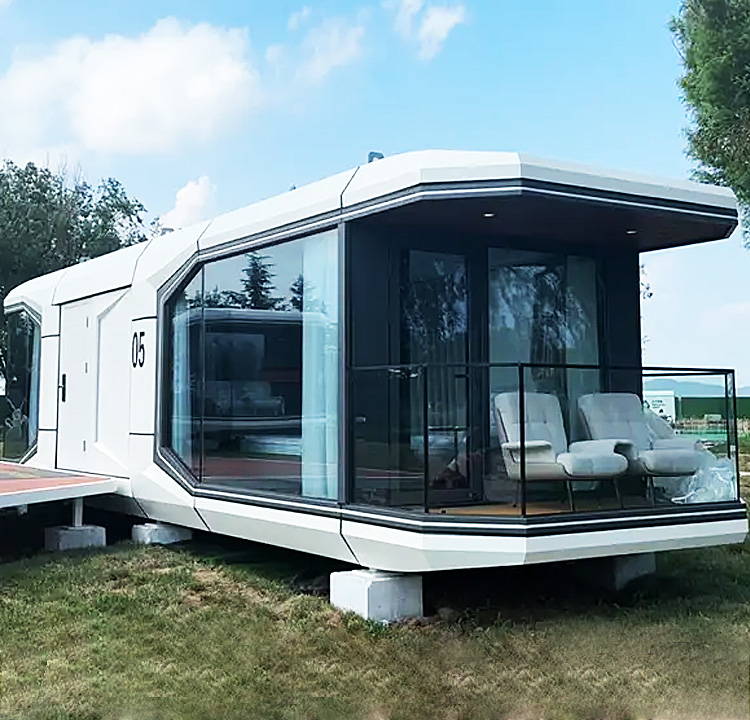
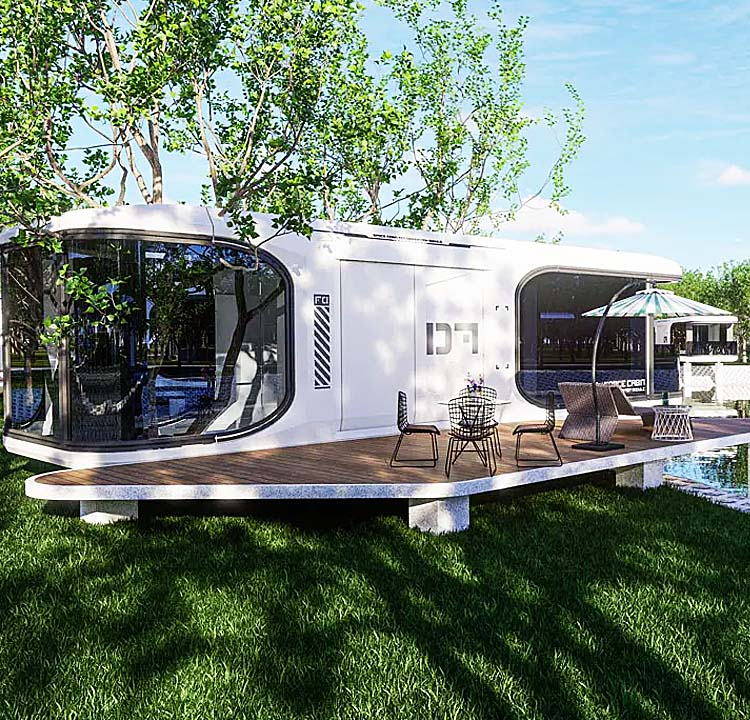
Capsule House emphasize a high-tech, "affordable luxury" style. Their highly recognizable streamlined exteriors are complemented by panoramic glass walls, smart climate control, and integrated lighting systems, combining aesthetics, practicality, and a futuristic feel. Constructed from high-strength, corrosion-resistant materials, they offer exceptional wind and seismic resistance and are highly adaptable to outdoor environments. They fully meet the demands of high-quality cultural tourism scenarios—such as premium camping, luxury getaways, and viral social media hotspots—helping projects establish a unique competitive edge.
5.Summary of Industry Trends
Overall, modular construction has established a comprehensive product ecosystem, with basic units, commercial units, and high-end cabins each serving specific roles to fully address diverse market needs. Flat-pack and foldable containers anchor the essential market for construction and infrastructure; expandable units empower lightweight commercial development; and Apple Cabins and Space Capsules drive the upgrading of high-end cultural tourism. Leveraging core advantages such as low-carbon sustainability, efficiency, convenience, and reusability, modular container architecture will continue to evolve, leading the construction industry toward a future defined by lightweight, intelligent, and green practices.