Tiny Home: Why Are They the Future of Sustainable Living
Article Summary: Tiny homes are revolutionizing the way people approach living spaces, offering an affordable and eco-friendly alternative to traditional housing. This blog explores why tiny homes are becoming increasingly popular and how they represent the future of sustainable living. We will delve into the benefits of tiny homes, their design features, and the role of companies like Ante in making these homes accessible and sustainable.
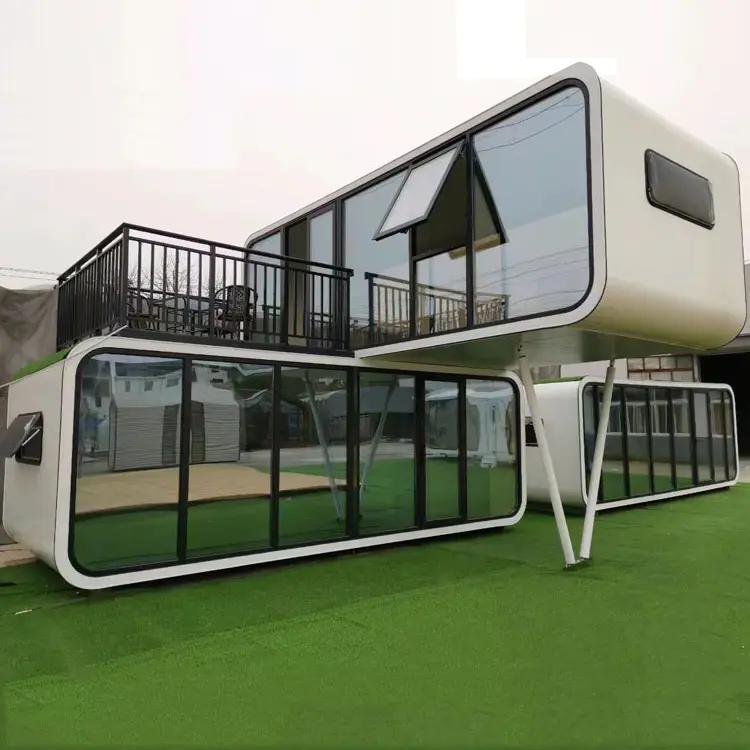
Table of Contents
- What is a Tiny Home?
- Benefits of Tiny Homes
- Design Features of Tiny Homes
- The Role of Ante in Tiny Home Development
- FAQs
What is a Tiny Home?
A tiny home is a small, self-contained living space, usually under 500 square feet, designed to be compact yet functional. These homes can be built on a foundation or on wheels, offering flexibility for homeowners who desire mobility. Tiny homes often feature minimalist designs and efficient use of space, making them perfect for those who want to downsize and reduce their environmental footprint.
Benefits of Tiny Homes
- Affordability: Tiny homes are much more affordable than traditional homes, both in terms of construction and maintenance costs.
- Sustainability: The smaller the space, the less energy required to heat or cool it, making tiny homes an eco-friendly choice.
- Flexibility: Many tiny homes are portable, giving owners the ability to move their homes without sacrificing comfort.
- Minimalism: Living in a tiny home encourages a minimalist lifestyle, where individuals focus on what truly matters.
Design Features of Tiny Homes
While tiny homes may be small in size, they are big on design. Key features of a well-designed tiny home include:
| Feature | Description |
|---|---|
| Multi-purpose Furniture | Furniture that can serve more than one function, such as a bed that converts into a table, helps maximize space. |
| Vertical Storage | Utilizing wall space for storage, such as shelves and cabinets, allows more floor space for living. |
| Efficient Insulation | High-quality insulation ensures that the tiny home remains comfortable year-round without excessive energy use. |
The Role of Ante in Tiny Home Development
Ante is at the forefront of the tiny home movement, providing high-quality prefab homes that are both affordable and sustainable. With their expertise in modular home construction, Ante helps create tiny homes that are energy-efficient and customizable to meet the needs of modern homeowners. By using sustainable materials and innovative design practices, Ante ensures that each tiny home is built to last and provide maximum comfort.
As more people look to adopt tiny home living, Ante’s role in this industry continues to grow, offering customized solutions for those who want to embrace minimalism and sustainability without compromising on quality or comfort.
FAQs
1. Are tiny homes legal?
Yes, tiny homes are legal in many places, but regulations vary by location. It's important to check local zoning laws to ensure your tiny home complies with regulations regarding size, mobility, and land use.
2. How much does a tiny home cost?
The cost of a tiny home can vary greatly depending on size, design, and location. On average, a tiny home can cost between $30,000 to $60,000, with some more luxurious models reaching higher prices.
3. Can tiny homes be moved easily?
Many tiny homes are built on wheels, allowing them to be moved. However, some are built on foundations and are intended to remain stationary. If you are interested in a movable tiny home, Ante offers designs with wheels for flexibility.
4. How do tiny homes promote sustainability?
Tiny homes use fewer resources and require less energy to heat and cool, making them a more sustainable option than traditional homes. Additionally, many tiny homes incorporate eco-friendly materials and practices, such as solar panels and composting toilets.
5. Are tiny homes suitable for families?
While tiny homes are typically designed for individuals or couples, some models are large enough to accommodate families. Ante offers customizable designs to suit the needs of different types of homeowners, including those with children.
Conclusion: Tiny homes represent the future of sustainable living, offering a way to live with less while still enjoying a high quality of life. With companies like Ante leading the way, more people are discovering the benefits of tiny home living. Whether you're looking to downsize, reduce your environmental impact, or simply live in a more affordable space, a tiny home may be the perfect solution for you. Contact us today to learn more about how Ante can help you create your own tiny home.