The Green and Low-Carbon Transition of Steel Structures: What Opportunities Await Domestic Steel Construction Firms?
I. The Implementation of Green Construction Policies Drives Industry Upgrading
As China continues to advance its "dual carbon" goals (peaking carbon emissions and achieving carbon neutrality), steel-structured buildings—characterized by minimal dust generation, reduced construction waste, and the recyclability of steel—have emerged as a preferred model for green construction. Consequently, the proportion of prefabricated steel structures is steadily increasing in industrial facilities and industrial park projects across the country. This opportunity brings with it more stringent requirements, with tighter regulations now in place for anti-corrosive coatings, insulation materials, and exhaust emissions. Weifang Ante Steel Structure Engineering Co., Ltd. has strategically positioned itself within the domestic market for industrial facilities and temporary construction infrastructure; by strictly adhering to green construction standards and continuously optimizing production processes, the company is well-placed to seize opportunities in the low-carbon building sector.
II. Steel Recyclability: An Inherent Low-Carbon Advantage
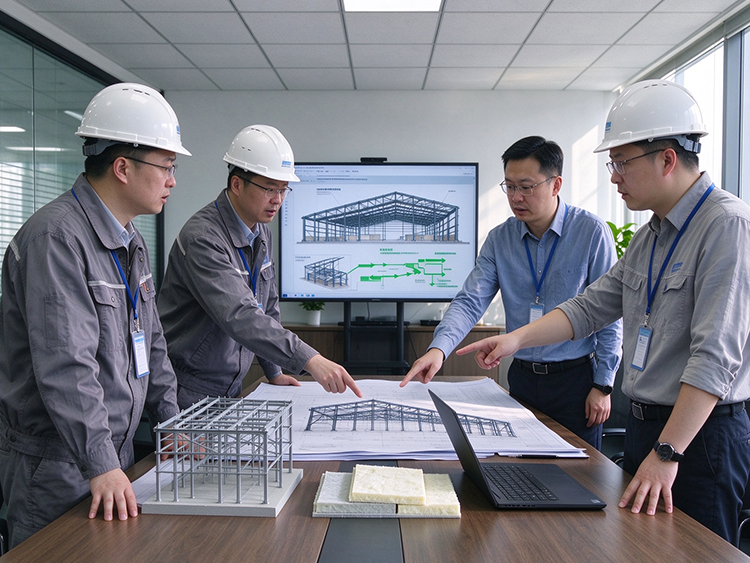
Unlike concrete structures, which are difficult to recycle, steel components can be salvaged, derusted, reprocessed, and reused, thereby significantly reducing construction material waste. Today, owners of industrial facilities are increasingly focused on the carbon footprint of a building’s entire life cycle, rather than just the initial capital expenditure. During the planning phase, Ante proactively presents steel recycling strategies to clients, prioritizing the use of highly weather-resistant steel combined with long-lasting anti-corrosive treatments to extend the structure's service life. Furthermore, the company favors bolted connections, which facilitate future dismantling or relocation—ideal for facility expansions or modifications—while enhancing the overall "green" credentials of the project.
III. Upgrading Envelope Materials: A Key Factor in Building Energy Efficiency
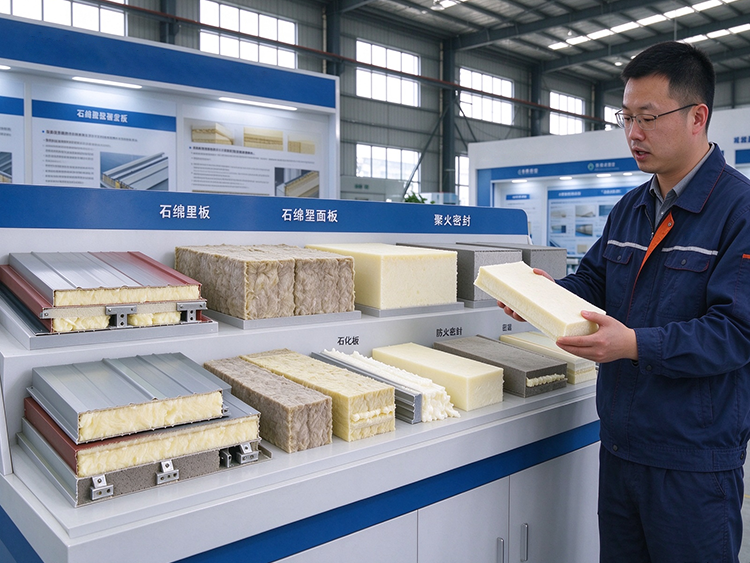
While the steel structure serves as the building's skeleton, the envelope panels determine its thermal insulation performance and energy consumption. Standard color-coated steel sheets often offer poor thermal insulation, making it difficult to meet green building standards. The industry is shifting toward high-density rock wool or flame-retardant polyurethane sandwich panels, which provide both fire resistance and superior thermal insulation. Ante tailors panel thickness to the specific climate of each project site and optimizes roof waterproofing and airtightness to minimize thermal loss. Additionally, the company consistently publishes educational content on its website to help general contractors and facility owners better understand how material selection impacts energy efficiency.
IV. Digital Lean Production: Minimizing Resource Waste in Manufacturing
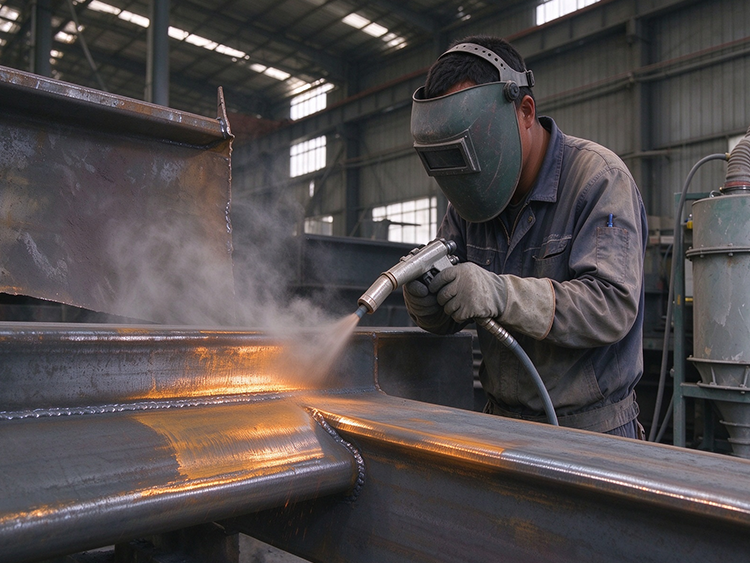
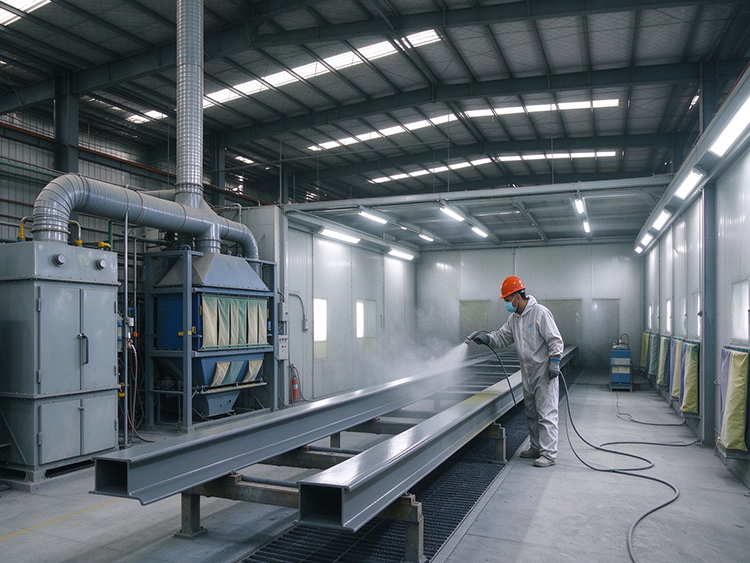
Traditional processing methods often result in high levels of material waste during steel cutting and excessive waste from coating applications. Ante has introduced CNC cutting and automated welding equipment, utilizing digital nesting to maximize steel material utilization. Its painting workshop is equipped with systems for recovering exhaust gases and waste materials, thereby reducing pollutant emissions. Digital management and control minimize rework and order errors, ensuring consistent quality while lowering energy consumption on the shop floor. For small and medium-sized steel structure enterprises, a "lightweight" digital transformation offers a highly cost-effective path toward a greener operation.
V. Developing Differentiated, Eco-friendly Solutions to Escape the "Race to the Bottom" on Price
The steel structure industry suffers from significant homogenization, where competing solely on low prices yields razor-thin profit margins. Embracing a green, low-carbon approach provides an excellent avenue for differentiation. Ante offers comprehensive low-carbon steel structure solutions for industrial facilities, as well as recyclable, modular building solutions for cultural tourism projects—complete with energy-efficiency documentation and testing data. By leveraging a dedicated company website to showcase green project case studies to engineering clients, the firm positions "recyclability" and "low energy consumption" as core product attributes. Looking ahead, steel structure manufacturers that are well-versed in green construction standards and capable of providing full-lifecycle, low-carbon solutions will secure more collaboration opportunities in new industrial facility construction and urban renewal projects.