Is a Tiny House the Future of Sustainable Living and Affordable Housing
A Tiny House represents a modern approach to compact, efficient, and sustainable living. With rising housing costs, environmental concerns, and the growing demand for flexible lifestyles, tiny houses have become a practical solution for individuals, families, and even commercial applications. This article explores the concept of a Tiny House in depth, including its benefits, design possibilities, cost structure, and real-world applications. We also highlight how Ante provides innovative prefabricated Tiny House solutions designed for global markets. Whether you are looking for a minimalist lifestyle or a cost-effective housing solution, this guide will help you understand everything you need to know.
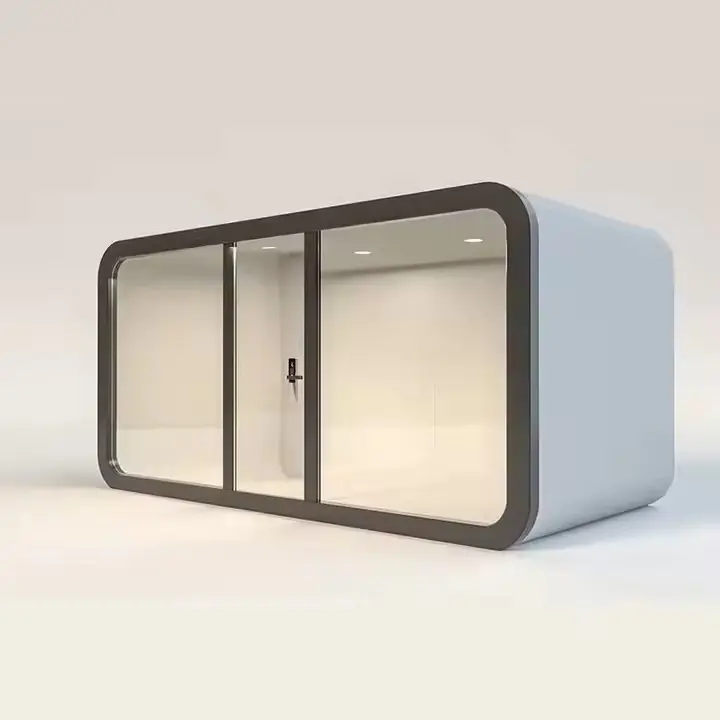
Table of Contents
- What is a Tiny House?
- Key Benefits of a Tiny House
- Tiny House Solutions by Ante
- Tiny House vs Traditional Housing
- Design and Layout Options
- Applications of Tiny House Living
- Sustainability and Environmental Impact
- Cost Analysis of Tiny House
- FAQ About Tiny House
- Conclusion
What is a Tiny House?
A Tiny House is a compact, fully functional living space typically ranging between 10 to 40 square meters. Despite its small size, it includes all essential living components such as a bedroom, kitchen, bathroom, and living area. The concept of Tiny House living focuses on simplicity, mobility, affordability, and sustainability.
Modern Tiny House designs are no longer limited to basic cabins. Today, companies like Ante integrate advanced prefabrication technology to deliver high-quality, durable, and aesthetically pleasing Tiny House units that can be customized for residential or commercial use.
Key Benefits of a Tiny House
Choosing a Tiny House lifestyle comes with multiple advantages that go beyond cost savings. It is a lifestyle shift that emphasizes freedom, efficiency, and environmental responsibility.
- Affordability: Lower construction and maintenance costs compared to traditional homes.
- Mobility: Many Tiny House designs are portable and can be relocated easily.
- Energy Efficiency: Reduced energy consumption due to smaller space.
- Minimalism: Encourages a clutter-free and intentional lifestyle.
- Eco-Friendly: Smaller carbon footprint and sustainable materials usage.
Tiny House Solutions by Ante
Ante is a professional manufacturer specializing in prefabricated housing systems, including modern Tiny House solutions. Their designs combine functionality, durability, and modern aesthetics to meet diverse global demands.
The Tiny House solutions offered by Ante are engineered for multiple scenarios such as residential housing, vacation homes, rental units, and temporary accommodation projects. With modular construction techniques, Ante ensures faster installation and consistent quality control.
- Customizable interior layouts
- High-strength steel and eco-friendly materials
- Fast assembly and relocation options
- Modern insulation and climate adaptability
Tiny House vs Traditional Housing
| Feature | Tiny House | Traditional House |
|---|---|---|
| Size | 10–40 sqm | 80–300+ sqm |
| Cost | Low to moderate | High |
| Mobility | Often portable | Fixed structure |
| Energy Consumption | Very low | High |
| Construction Time | Short (weeks) | Long (months to years) |
Design and Layout Options
Modern Tiny House designs are highly flexible. Manufacturers like Ante offer customizable solutions that allow users to design interiors based on their lifestyle needs. Whether you prefer a minimalist studio layout or a multi-functional living space, Tiny House configurations can be adapted accordingly.
- Open-plan living and kitchen spaces
- Loft-style sleeping areas
- Foldable furniture systems
- Integrated storage solutions
- Smart home integration options
These design innovations make the Tiny House not only practical but also highly comfortable for long-term living.
Applications of Tiny House Living
The versatility of the Tiny House concept makes it suitable for various applications beyond personal housing.
- Residential homes: Permanent or semi-permanent living solutions.
- Holiday cabins: Eco-resorts and vacation rentals.
- Office spaces: Compact remote working environments.
- Emergency housing: Rapid deployment for disaster relief.
- Rental business: Airbnb-style short-term rentals.
Sustainability and Environmental Impact
One of the strongest arguments for adopting a Tiny House lifestyle is its positive environmental impact. Reduced material usage, lower energy consumption, and minimized land footprint contribute to sustainable development goals.
Ante integrates eco-friendly materials and energy-efficient systems into its Tiny House designs. This includes improved insulation, solar panel compatibility, and water-saving systems that significantly reduce environmental impact.
Cost Analysis of Tiny House
Understanding the cost structure of a Tiny House is essential for making an informed decision. Below is a simplified breakdown of typical cost components.
| Cost Component | Estimated Range (USD) | Description |
|---|---|---|
| Basic Structure | 10,000 – 30,000 | Main building frame and shell |
| Interior Finishing | 5,000 – 20,000 | Kitchen, bathroom, flooring, furniture |
| Utilities | 3,000 – 10,000 | Electricity, plumbing, HVAC systems |
| Customization | 2,000 – 15,000 | Smart systems, design upgrades |
Compared to traditional housing, a Tiny House significantly reduces upfront investment while offering long-term savings in maintenance and utilities.
FAQ About Tiny House
1. What is the average lifespan of a Tiny House?
A well-built Tiny House can last 20–50 years depending on materials and maintenance quality.
2. Can a Tiny House be legally used as a permanent residence?
Yes, but regulations vary by country and region. It is important to check local zoning laws.
3. Is a Tiny House suitable for families?
Yes, many modern Tiny House designs include multi-level layouts and flexible space solutions for families.
4. How long does it take to build a Tiny House?
Prefabricated solutions like those from Ante can be completed within a few weeks.
5. Can a Tiny House be customized?
Absolutely. Companies like Ante offer fully customizable layouts and interior designs.
6. Is a Tiny House energy efficient?
Yes, due to its compact size, it requires significantly less energy for heating, cooling, and lighting.
Conclusion
The Tiny House movement is more than just a trend—it is a practical solution to modern housing challenges. From affordability and sustainability to flexibility and design innovation, Tiny Houses offer a compelling alternative to traditional living spaces. With companies like Ante leading the way in prefabricated housing technology, the future of compact living looks promising and accessible.
If you are interested in exploring high-quality Tiny House solutions tailored to your needs, feel free to explore more or contact us to get professional guidance and customized solutions that fit your lifestyle and business goals.