2026 Outlook on China’s Integrated Housing and Light-Gauge Steel Villa Export Industry:Modular Construction Becomes a "New Calling Card" for Foreign Trade
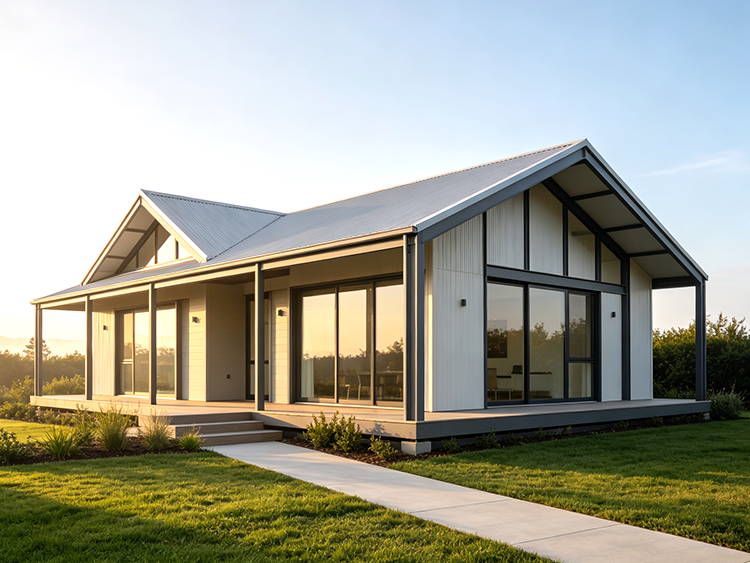
In the first half of 2026, China's exports of integrated housing and light-gauge steel villas demonstrated robust growth, emerging as a highlight in the foreign trade sector. Driven by surging global demand for green and prefabricated buildings—combined with technological breakthroughs in modular design and smart integration—Chinese prefabricated homes are evolving from simple temporary shelters into long-term residential solutions that offer comfort, aesthetic appeal, and environmental sustainability. These products are now exported to over 150 countries and regions worldwide.
1. Significant Export Growth and Broad Market Reach
Customs and industry statistics indicate that China's integrated housing exports performed exceptionally well in the first four months of 2026. Taking the Shenzhen port as an example, the value of portable housing units exported through the port reached 1.68 billion yuan—a year-on-year increase of 19.6%—with products sold to more than 150 countries and regions. These figures demonstrate that Chinese modular homes are gaining widespread global recognition, gradually replacing traditional light industrial goods (such as footwear, hosiery, and small appliances) to become a new "calling card" for Chinese foreign trade.
2.Technological Innovation Drives Transformation and Increases Product Value-Added
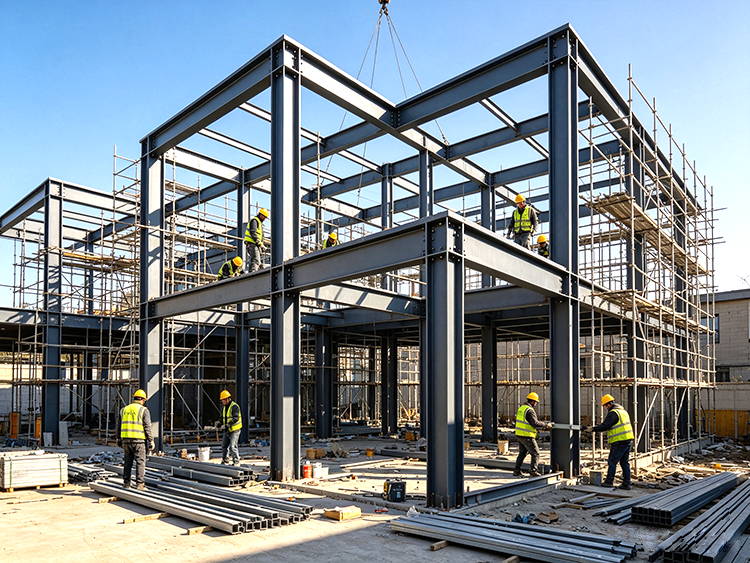
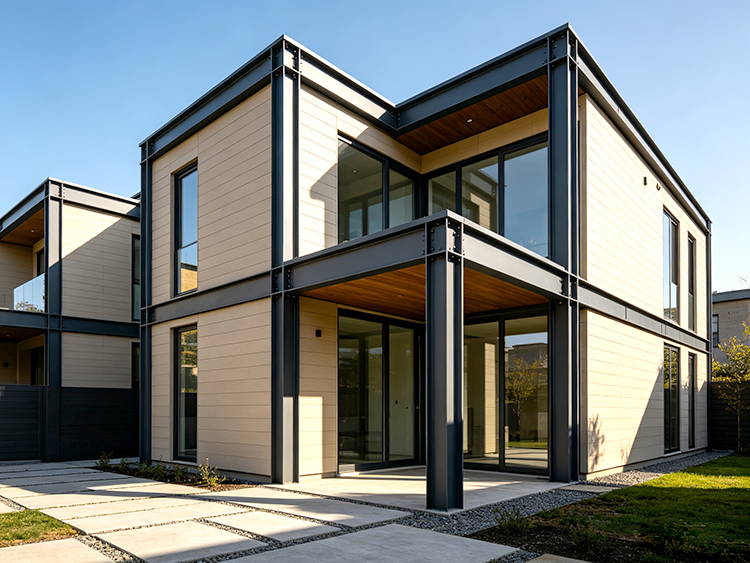
Technological innovation and product upgrades underpin this industry growth. Traditional portable cabins are rapidly evolving toward high-end, customized solutions.
Folding and Expandable Technologies: Companies specializing in integrated housing have developed expandable container villas. These utilize a three-section steel frame design featuring a load-bearing main cabin and dual-side folding mechanisms; the units fold down for transport to reduce shipping costs but double in usable space upon deployment, allowing for installation and occupancy in as little as 30 minutes. This modular construction method—akin to assembling building blocks—has significantly boosted acceptance among overseas users.
Green Energy Efficiency and Smart Integration: Domestic light-gauge steel villa manufacturers are integrating ultra-low energy consumption systems, fresh air ventilation, solar-assisted equipment, and whole-house smart home technology directly into the factory production process. This approach reduces building energy consumption by over 60% and delivers a "move-in ready" smart housing experience.
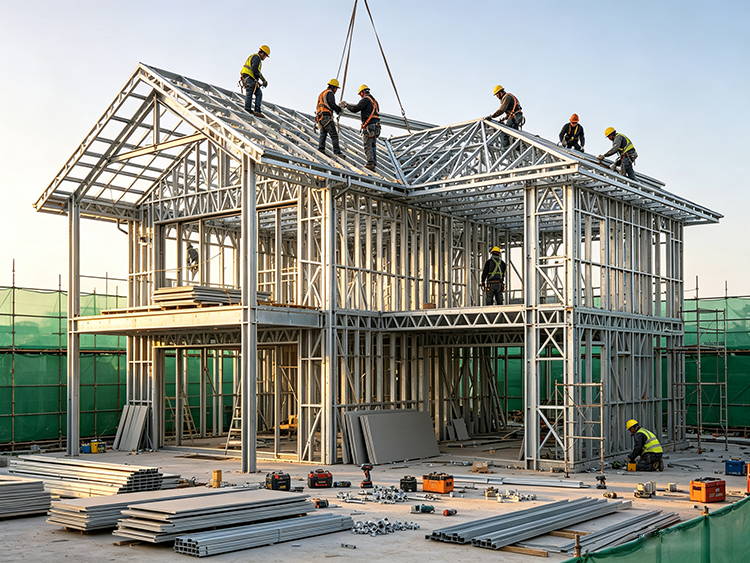
High Precision and Longevity:Manufacturers of integrated housing utilize CNC equipment to achieve millimeter-level manufacturing tolerances, ensuring excellent airtightness, thermal insulation, and aesthetic appeal. These products are designed for a lifespan of over 30 years and support multiple relocations and reuses, aligning with low-carbon, full-lifecycle principles.
3. Diverse Application Scenarios: From Temporary to Permanent
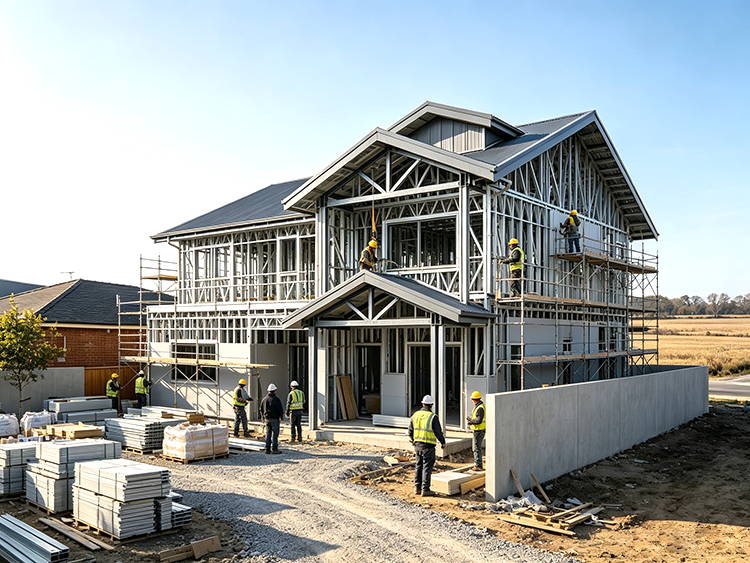
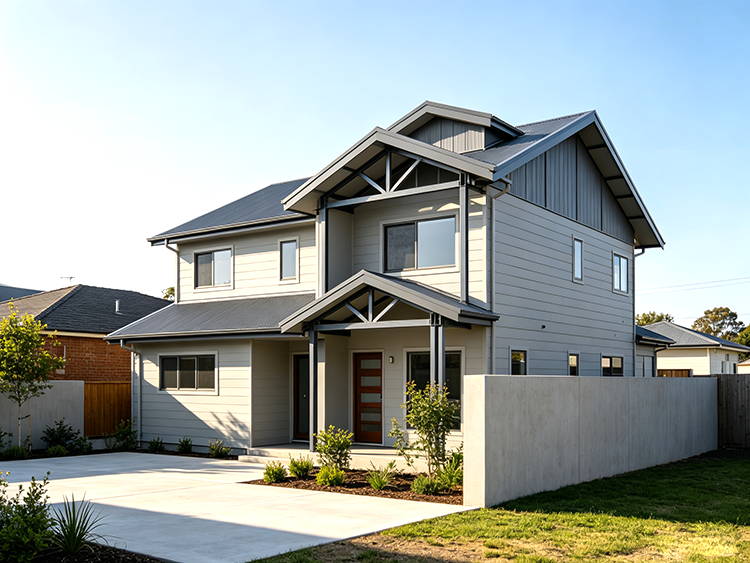
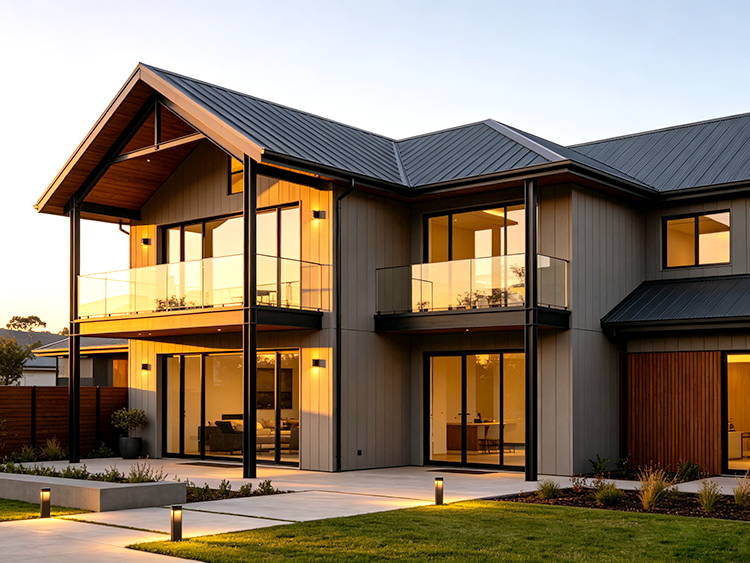
The application of integrated housing is no longer limited to construction site dormitories or emergency disaster relief. Today, these products are widely used in projects ranging from wilderness vacation homes and rural private residences to cultural tourism campsites, high-end office spaces, mobile sales centers, and even government resettlement housing. Whether for short-term commercial projects or permanent residences, modular construction has become a key choice in global infrastructure and housing markets, thanks to its rapid delivery, flexible customization, and environmental advantages.
4.Prominent Industrial Cluster Effects and Comprehensive Service Chains
Enterprises in provinces such as Shandong, Hebei, and Jiangsu have established mature industrial clusters for integrated housing. Through collaborative development, these companies have created a one-stop service ecosystem covering everything from R&D, design, and manufacturing to sales and after-sales support. This pragmatic service mindset and comprehensive industrial chain infrastructure are key factors enabling Chinese integrated housing to maintain its competitiveness in the international market.
In summary, the Chinese integrated housing and light-gauge steel villa industry is currently at a critical stage of high-quality expansion into overseas markets. Driven by technological innovation, green principles, and robust service systems, Chinese modular construction has not only achieved rapid export growth but has also secured a more advantageous position in the global value chain, demonstrating strong international competitiveness and growth potential.